
Experiences & Activities
Discover the hidden gems and thrilling adventures that await you.
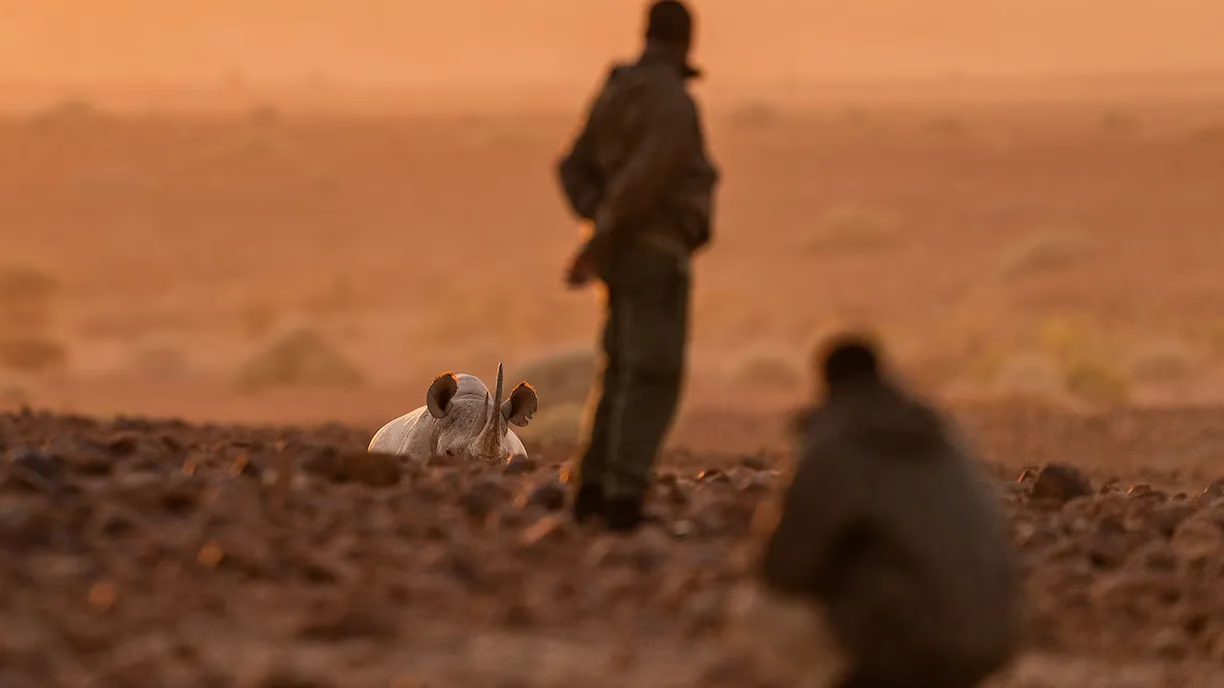
Rhino Tracking on Foot
Ziwa Rhino Sanctuary is the only place in Uganda where you can see southern white rhinos in the wild.
Because these rhinos are habituated to the presence of rangers, you can safely observe them at a distance of about 6 to 10 meters.
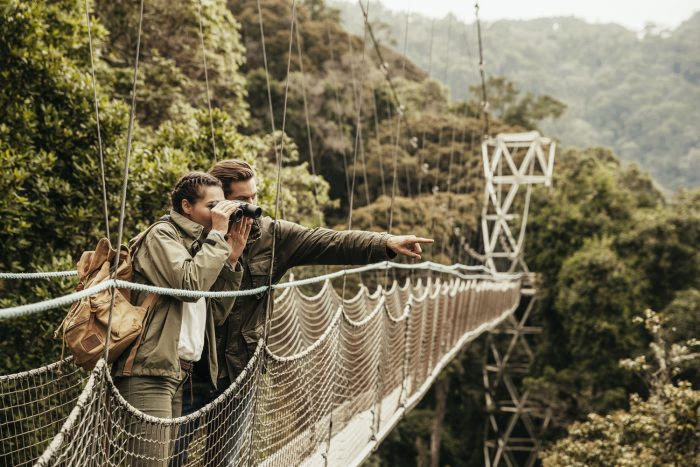
Nyungwe Canopy Walk
The Nyungwe Canopy Walk is one of Africa's most spectacular
and unique ecotourism experiences — a suspension bridge walkway suspended up to
70 meters above the Nyungwe Forest floor, stretching 160 meters through the
forest canopy. Built to international standards, the canopy walk offers a
bird's-eye perspective of the ancient Afromontane rainforest, bringing visitors
level with the treetops where birds, primates, and insects live. The experience
begins with a guided nature walk along forest trails that are rich in birdlife,
butterflies, and flora, culminating in the ascent to the canopy walkway. From
the bridge, walkers can look across a seemingly endless carpet of ancient
forest — one of Central Africa's largest montane rainforests — while listening
to the symphony of bird calls and primate sounds below. The walk is excellent
for spotting Nyungwe's remarkable birdlife, including endemics like the
Rwenzori turaco and red-collared mountain babbler. The canopy walk is a
highlight for birdwatchers, photographers, and anyone who wants to experience
the forest from a completely different and awe-inspiring angle.
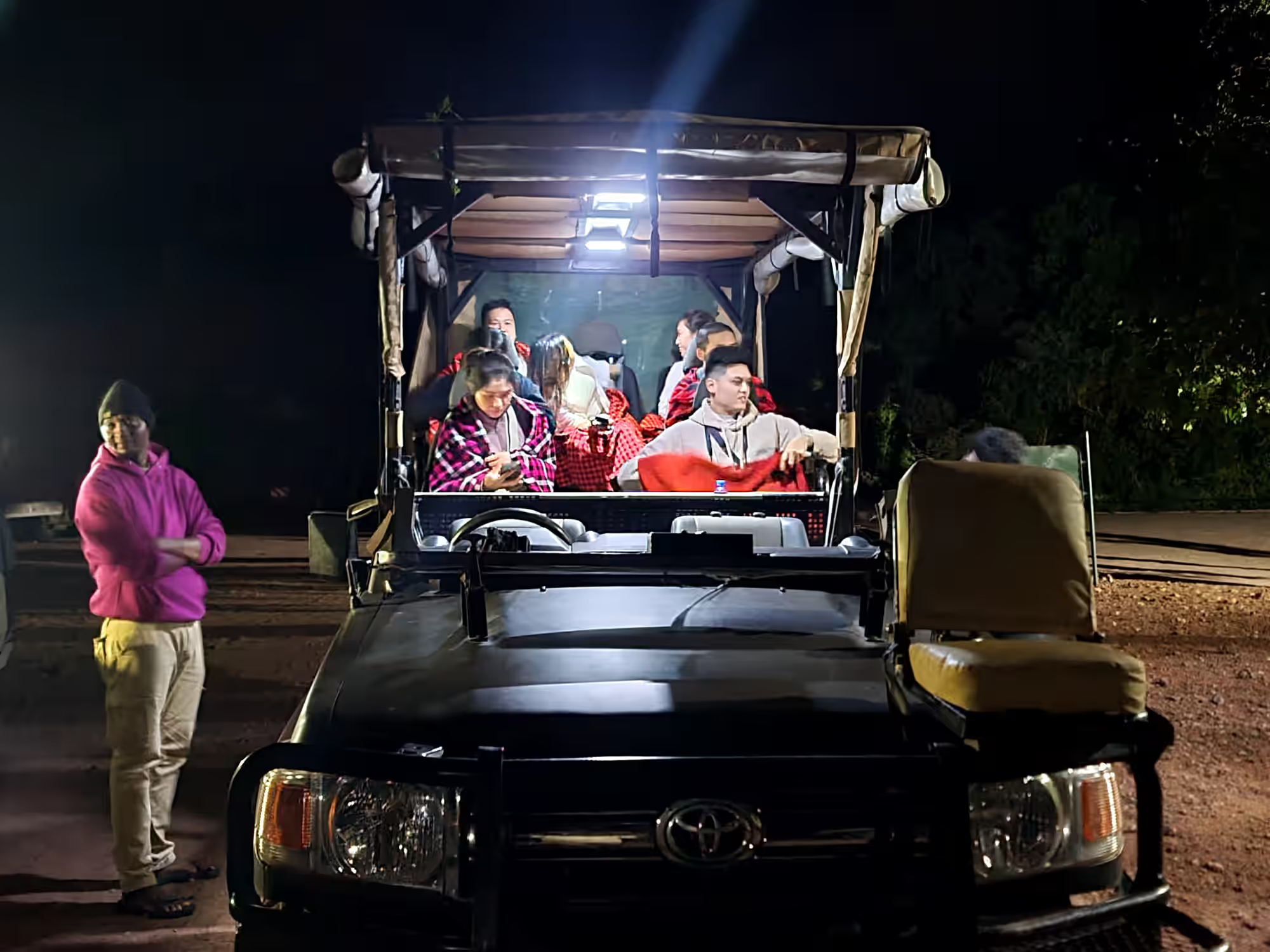
Night Game Drive Tarangire National Park
The adventure typically begins after an early dinner, around 7:30 PM or 8:00 PM. You will board a specially equipped, open-sided safari vehicle.
The focus shifts from the "Big Five" to nocturnal specialists. You are likely to encounter genets, civet cats, porcupines, and aardvarks. It is also one of the best times to see lions and leopards, as they become more active and mobile under the cover of darkness. The experience is not just about the wildlife; the sounds of the African night and the brilliance of the southern stars overhead create an unforgettable, mystical ambiance.
Note: Night drives are strictly regulated and are generally only available to guests staying at specific lodges within the park or in private concessions on the park's borders.
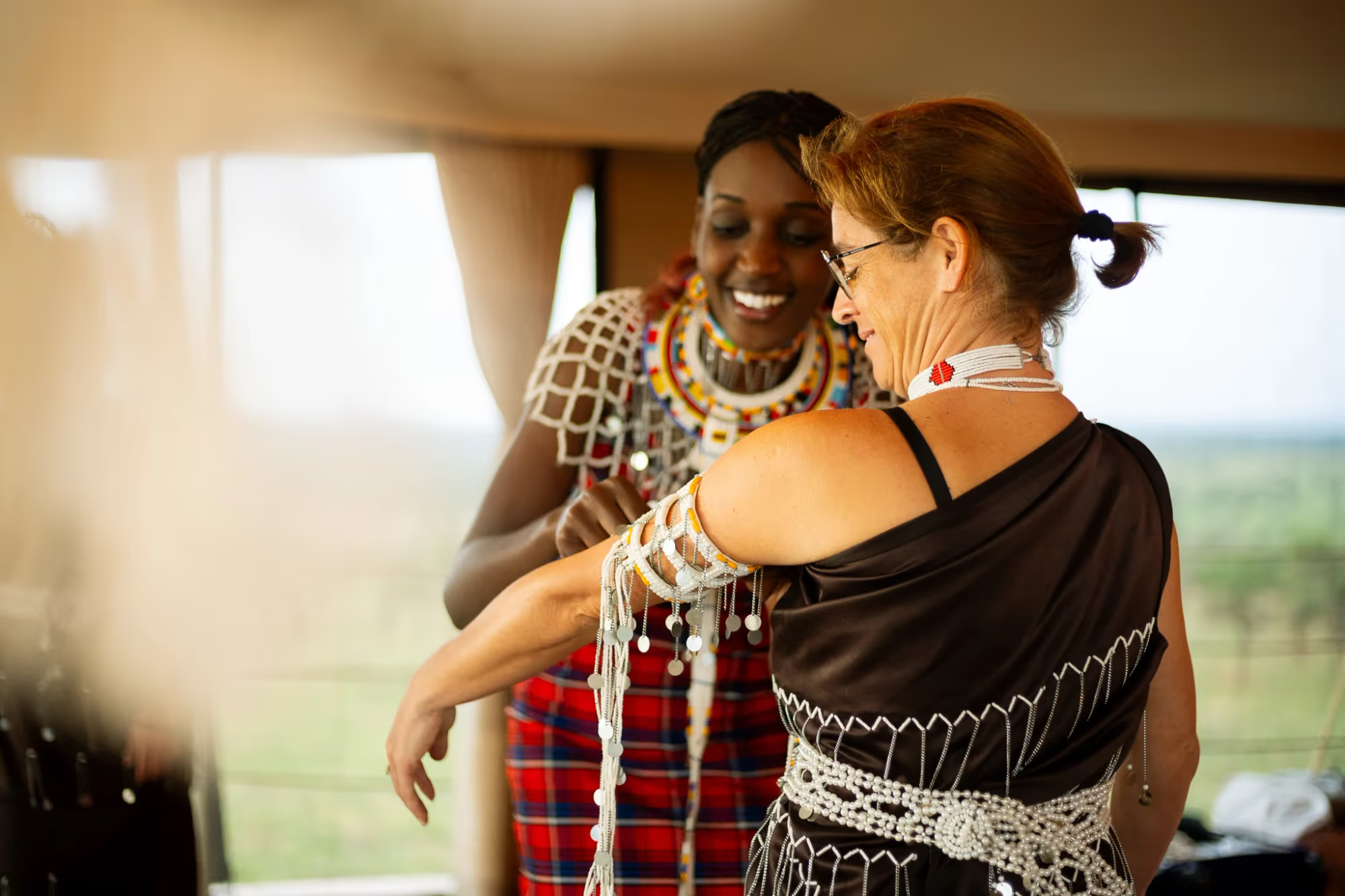
Maasai Village Visit
Your visit typically begins with a vibrant welcome; the community greets guests with traditional songs and the famous Adumu (the "jumping dance"). You will be invited into the heart of the Boma, a circular settlement protected by thorny acacia fences to keep out predators.
A local guide often a younger, English-speaking member of the tribe will lead you through the village. You’ll step inside a Manyatta (a house made of mud, sticks, and cow dung) to see how the family lives. The experience covers various aspects of Maasai life, including their pastoralist diet, the significance of their intricate beadwork, and their traditional fire-making techniques using only two sticks. It is a raw, eye-opening experience that balances cultural education with the opportunity to purchase handmade crafts directly from the artisans.
Mount Bisoke Hike
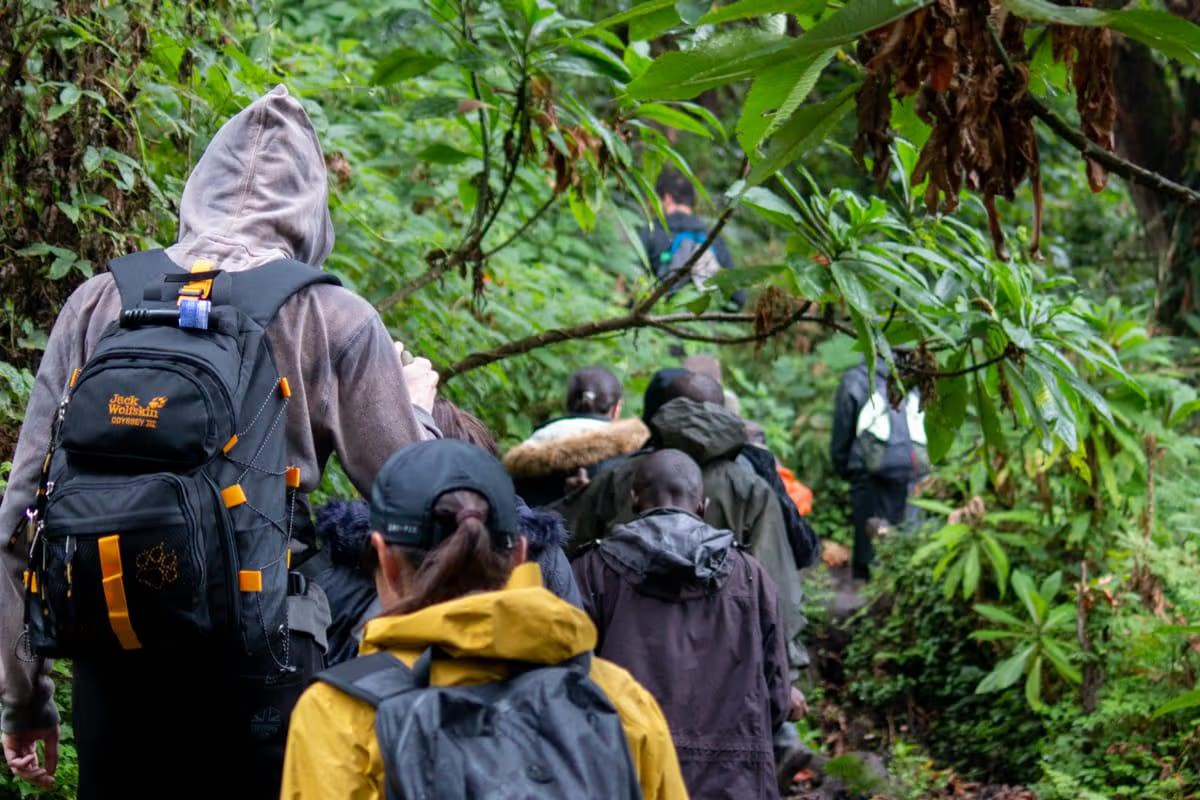
The Mount Bisoke Hike is one of Rwanda's most rewarding
mountain adventures — a challenging but achievable ascent of an active
stratovolcano (3,711m / 12,175ft) in Volcanoes National Park, crowned by a
stunning crater lake at its summit. Mount Bisoke sits on the border between
Rwanda and the Democratic Republic of Congo and is one of eight volcanoes that
make up the Virunga chain. The trail passes through dense bamboo forest, giant
lobelia, hypericum trees, and high-altitude moorland, offering dramatic scenery
and opportunities to spot golden monkeys, buffalo, and a variety of
high-altitude bird species along the way. The summit crater lake — a tranquil
circular pool nestled in the caldera — is one of the most photographed sights
in Rwanda. The hike typically takes 6–8 hours round trip and requires a Rwanda
Development Board permit. Guided packages including transport from Musanze, a
licensed guide, and a park ranger are available. This is a must-do experience
for hikers, trekkers, and adventure travelers visiting northern Rwanda.
Walking Safari In Serengeti National Park
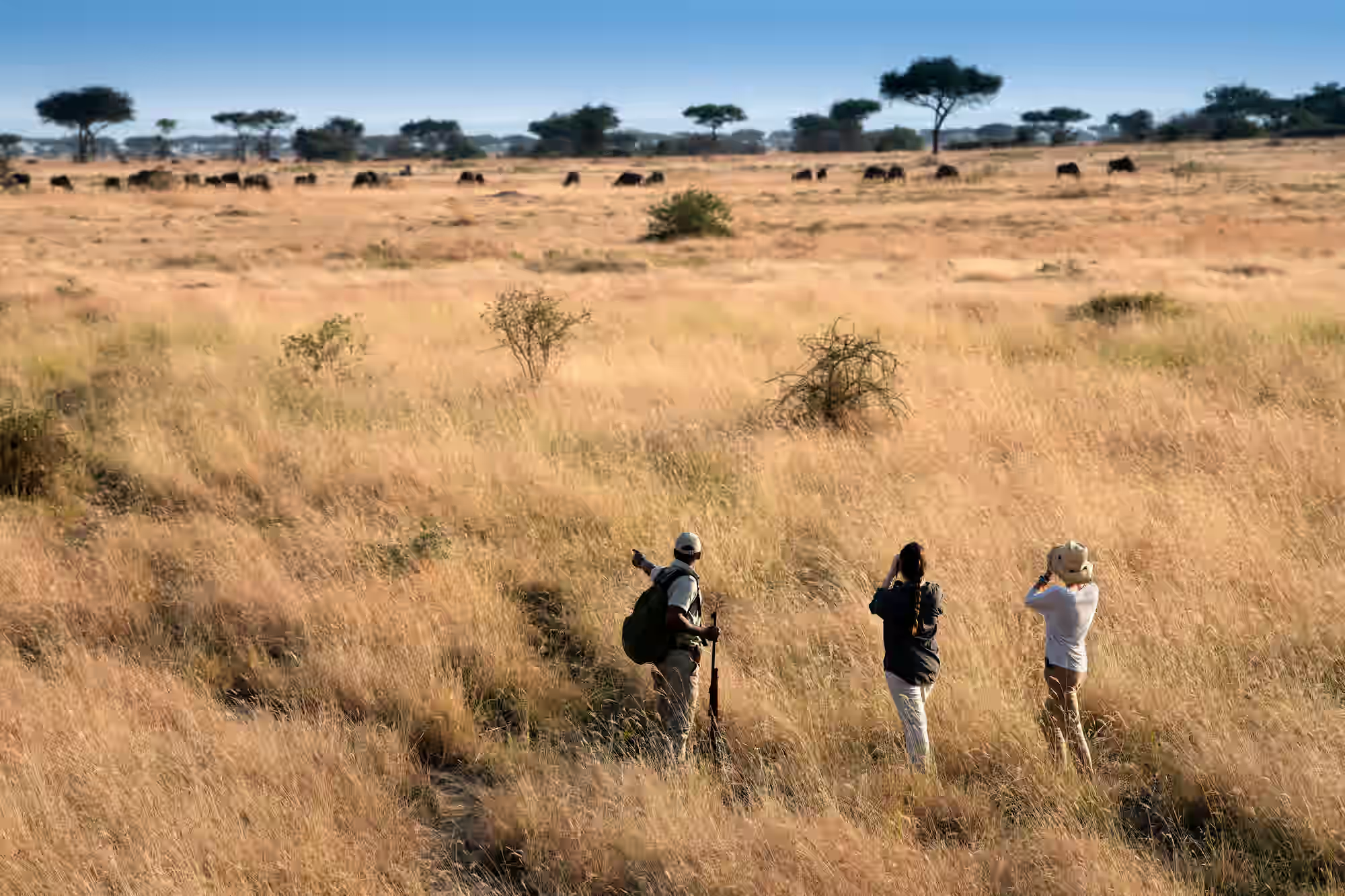
Your excursion begins with a safety briefing where your lead guide explains the "rules of the wild." Unlike a game drive, a walking safari focuses on the finer details: the medicinal properties of a toothbrush tree, the complex architecture of a termite mound, and the intricate tracks of a dung beetle.
While the goal isn't to approach dangerous game on foot, sightings of elephants, buffalo, or giraffe from ground level are common and exhilarating. Being on foot heightens your senses; the smell of rain-slicked earth and the sound of dry grass crunching underfoot create a visceral connection to nature. Walks are usually conducted in the early morning or late afternoon to avoid the midday heat, often concluding at a scenic "sundowner" spot or returning to camp for a hearty meal.
materuni waterfalls & coffee tour
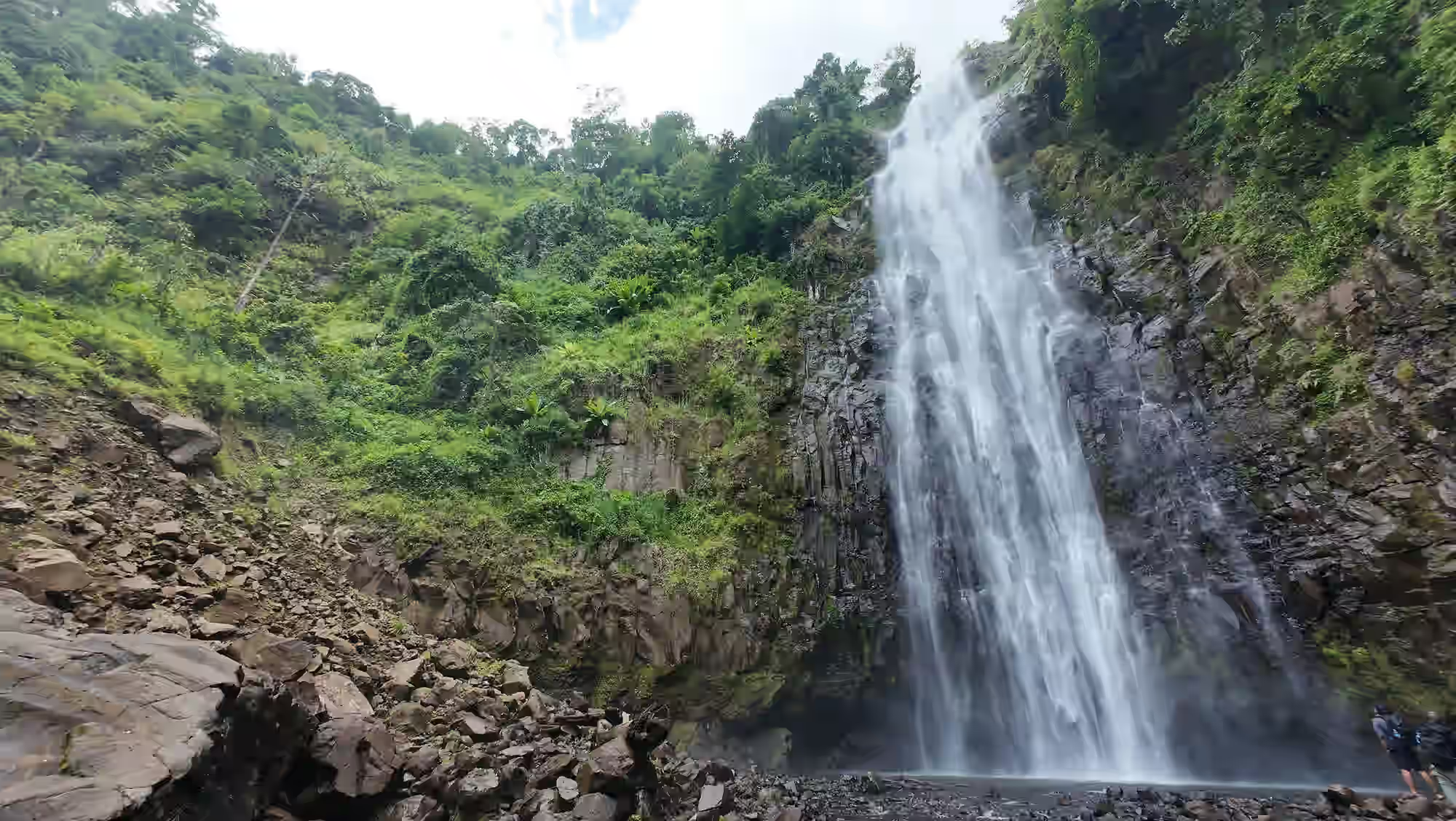
The journey typically begins in Materuni Village, the last village before the Kilimanjaro National Park boundary. You will embark on a roughly 45-minute hike through vibrant green landscapes and local farms to reach the
Following the hike, you return to the village for the coffee experience. This is an interactive session where you participate in the entire process of making organic coffee. Guided by local Chagga people, you will help peel the beans, roast them over an open fire, and grind them in a traditional wooden mortar while singing rhythmic local songs. The tour usually concludes with a traditional Chagga lunch, often featuring "Machalari"—a local dish made with bananas and meat—and a taste of your freshly brewed coffee.
Chemka Hot Springs (Kikuletwa)
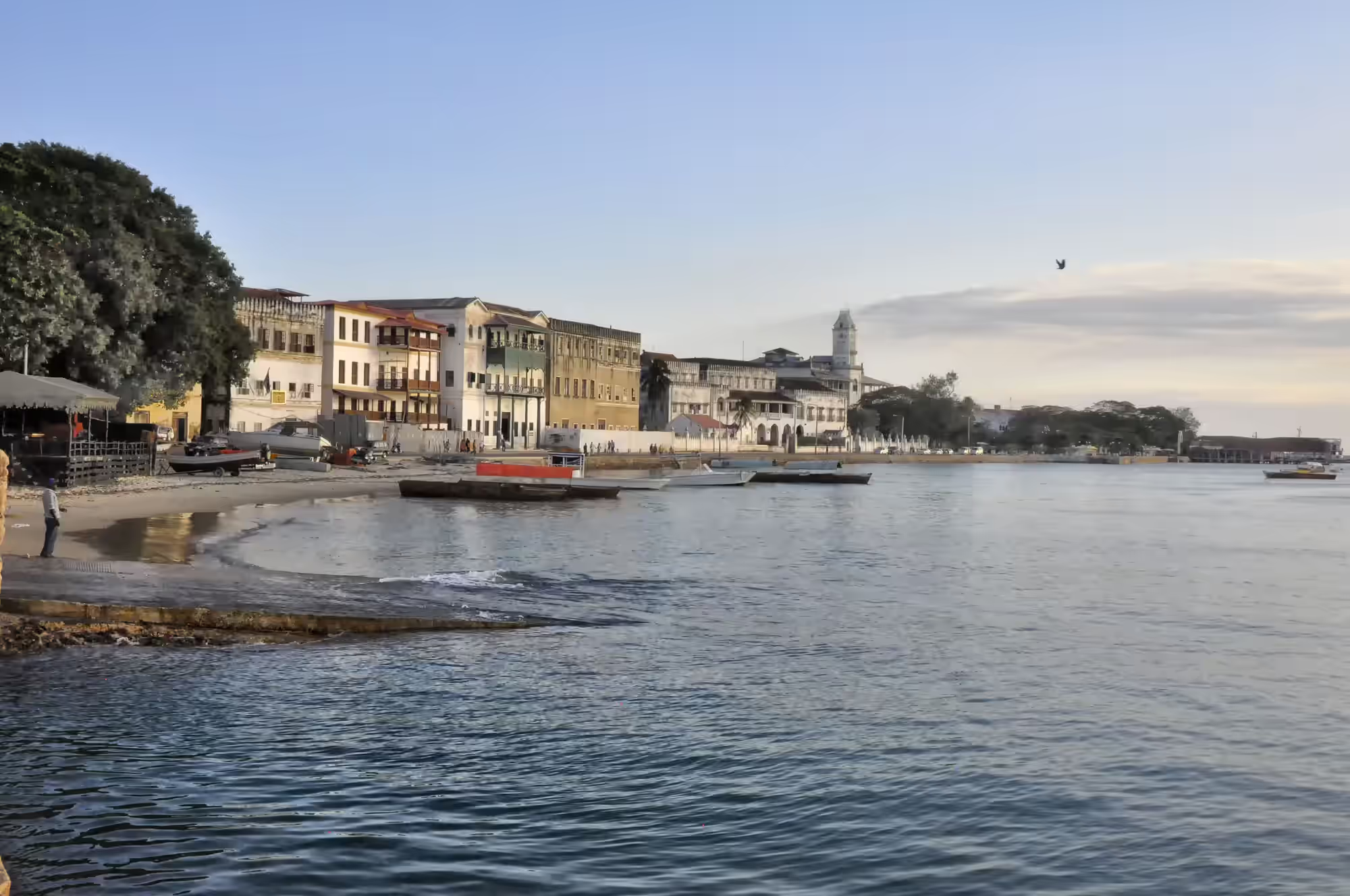
Stone Town & Spice Farm Full-Day Tour
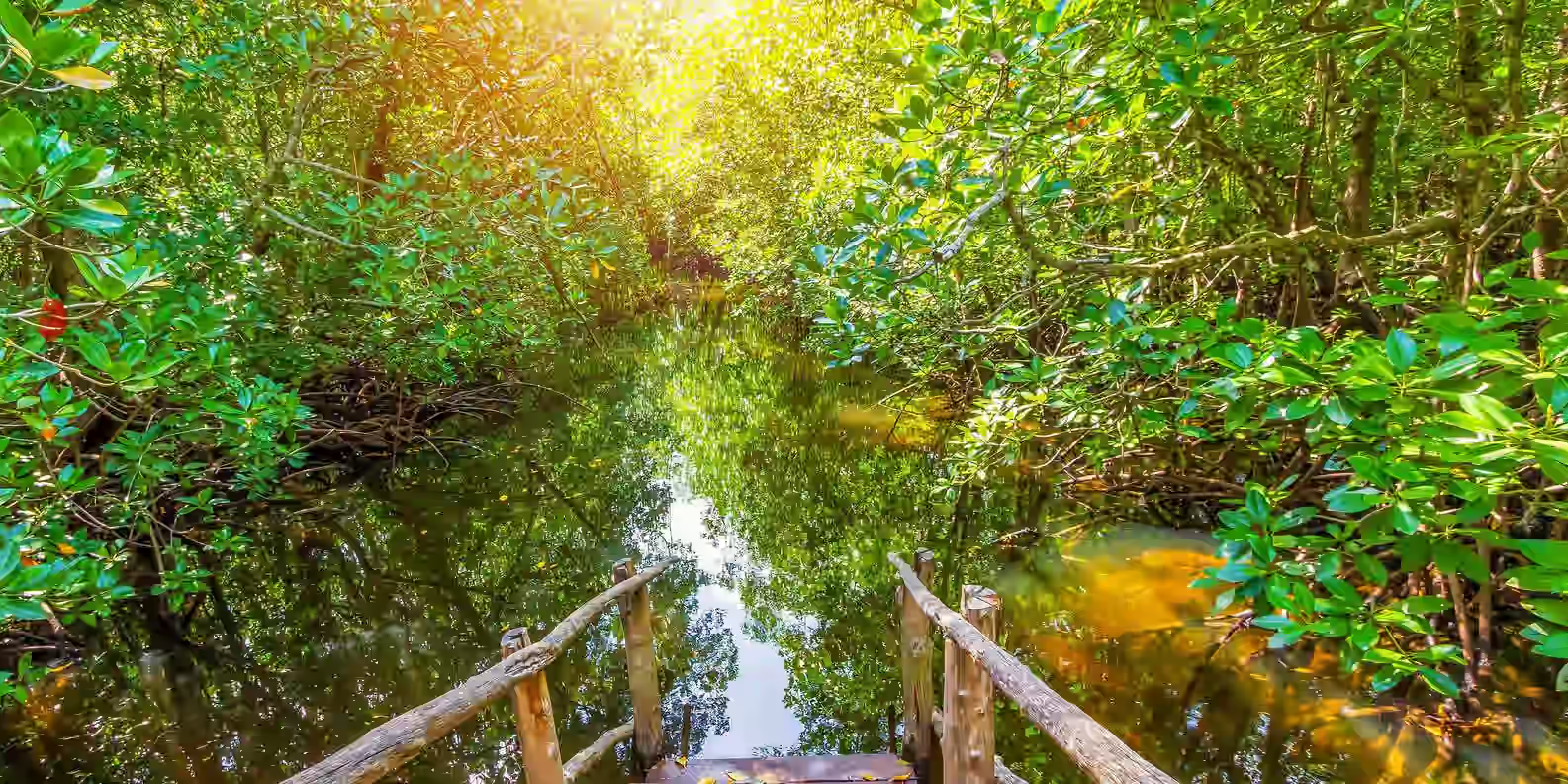
Jozani Forest – Half Day Tour
Your adventure at
The tour continues across the road to a dedicated mangrove boardwalk. This elevated path takes you above the swampy ecosystem, where you can observe how these unique trees protect the coastline from erosion. Depending on the tide, you might spot Indian Ocean tropical fish darting between roots or colorful crabs scuttling across the mud. You'll also likely see Sykes' monkeys and perhaps even the elusive Ader's duiker.
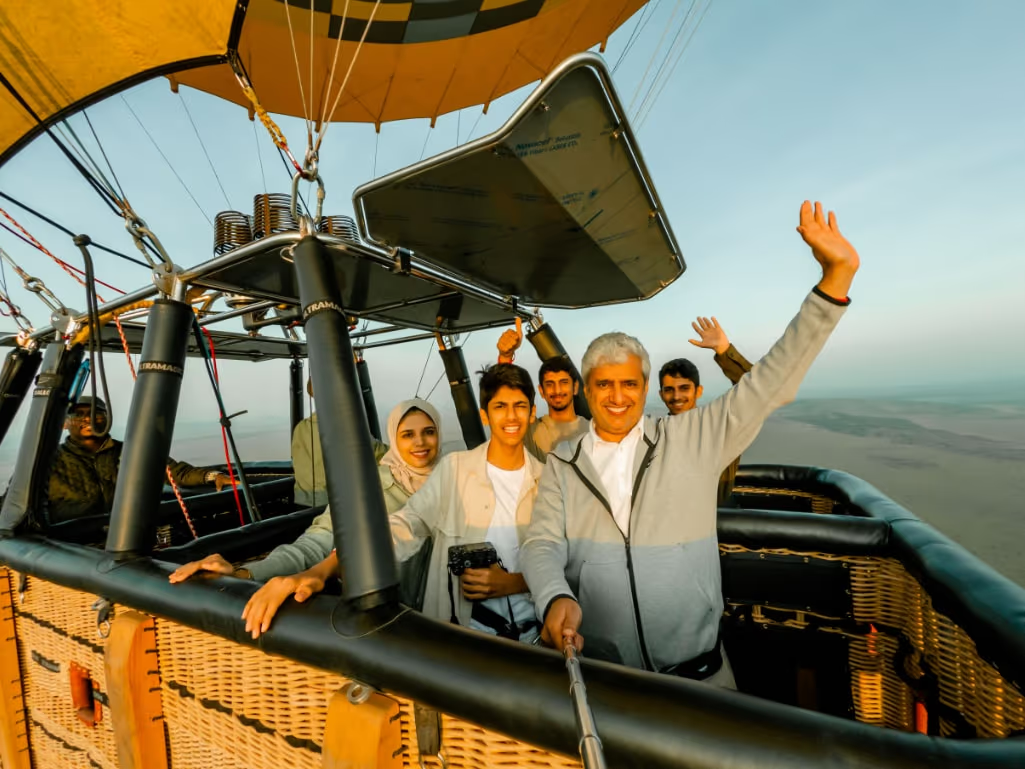
Serengeti Hot Air Balloon Safari
Your adventure begins in the pre-dawn darkness with a wake-up call at approximately 4:00 AM. A transfer vehicle will whisk you from your lodge to the designated launch site. Upon arrival, you can enjoy a coffee while watching the crew inflate the massive balloons with roaring burners.
Once airborne, the flight lasts roughly one hour. You will float at varying altitudes—sometimes skimming the treetops to spot lions or leopards in the branches, and other times rising high enough to appreciate the staggering scale of the Serengeti ecosystem. The direction of the flight is entirely dictated by the morning breeze, making every journey unique.
The experience concludes with a traditional "Celebration Landing," featuring a glass of sparkling wine or champagne, followed by a lavish English-style bush breakfast served under the shade of an acacia tree. Each guest receives a flight certificate before being driven back to their lodge or a pre-arranged meeting point for a mid-morning game drive.
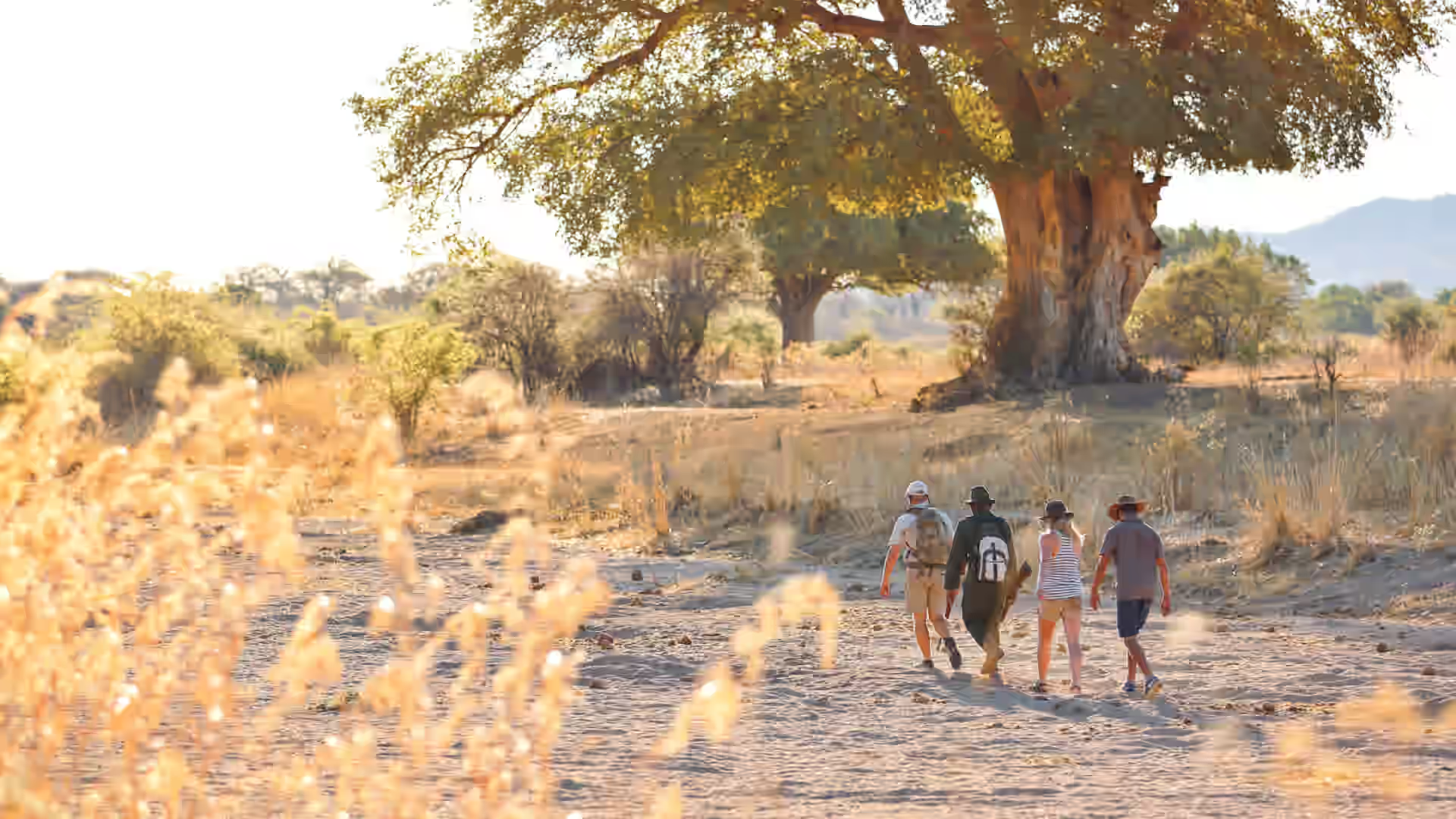
Guided Walking Safari
A guided walking safari is the
most intimate, sensory, and transformative way to experience the African
wilderness — stripping away the protective glass and metal of a vehicle and
placing the guest directly within the ecosystem, where every sound, smell,
texture, and movement carries meaning and immediacy. Walking safaris in Kenya
are conducted exclusively by armed professional guides — many holding advanced
wilderness first aid certifications and years of field experience — who lead
small groups of guests through bush terrain, reading the landscape with the
depth of knowledge that only comes from having spent thousands of hours in the
wild on foot. The experience of tracking a lion's pug marks in soft sand at
dawn, sitting motionless in a dry riverbed while a herd of elephant passes
within metres, or watching a dung beetle navigate its improbable cargo across a
dust track reveals an Africa invisible from a vehicle. Walking transforms
guests from observers into participants — every sense is engaged, every step
deliberate, and the heightened alertness that comes from moving through the
bush creates a state of presence and awareness that has few equivalents in
modern life. Multi-day walking safaris — sleeping in fly camps under canvas
fly-sheets in the middle of the wilderness — represent Kenya's most adventurous
wildlife experience, available through specialist operators on Laikipia, in the
Chyulu Hills, and in Meru National Park.
Kigali City Tour
The Kigali City Tour is an engaging and often surprising
introduction to one of Africa's most modern, clean, and progressive capital
cities. Kigali is regularly ranked among Africa's safest, cleanest, and most
organized cities, and a guided day tour reveals why Rwanda has become a model
for urban development and good governance on the continent. A typical city tour
includes visits to the Kigali Genocide Memorial, the bustling Kimironko Market,
the Inema Arts Center (celebrating Rwanda's contemporary art scene), the
vibrant Nyamirambo neighborhood (Kigali's cultural heartbeat), and panoramic
viewpoints over the city's thousand hills. Guides provide rich historical and
political context, exploring Kigali's transformation from devastation in 1994
to its current status as a beacon of African renaissance. Stops at local coffee
shops and restaurants allow visitors to sample Rwanda's world-class specialty
coffee and traditional cuisine. Private and small-group tours can be customized
to include gallery visits, cooking classes, architecture tours, and meetings
with local entrepreneurs. The city tour is the ideal way to understand modern
Rwanda beyond its national parks.
Maasai & Samburu Cultural Visits
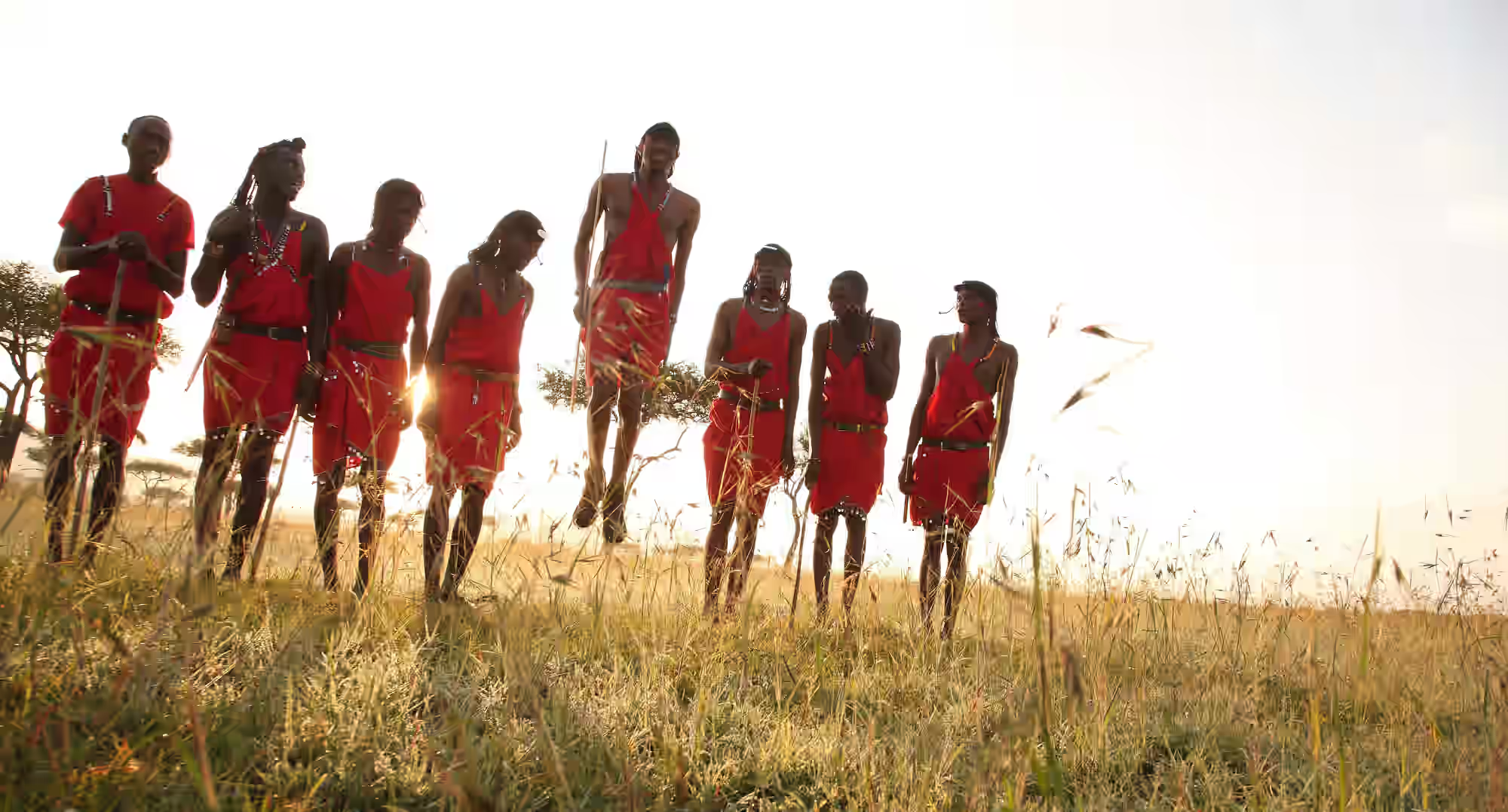
Cultural visits to Maasai and
Samburu communities are among the most personally enriching and distinctively
Kenyan experiences available to international visitors — offering authentic
insight into two of East Africa's most resilient, culturally sophisticated, and
visually striking indigenous pastoralist civilisations. The Maasai, with their
instantly recognisable red-checked shukas, elaborate multi-layered beadwork
jewellery, and centuries-old traditions of cattle herding, warrior society, and
age-set ceremony, are Kenya's most iconic people — inhabiting the landscapes
surrounding the Masai Mara, Amboseli, Laikipia, and the Rift Valley. A
well-managed Maasai village (manyatta) visit — arranged through a responsible
lodge with genuine long-term community relationships — introduces visitors to
the circular structure of the enkiama homestead, the interior of a traditional
mud-and-dung house, medicinal plant knowledge, fire-making techniques, and the
communal role of cattle in Maasai spiritual and social life. The adumu jumping
ceremony — warriors competing in a rhythmic, gravity-defying vertical leap
while the group chants in competitive harmony — is one of Kenya's most
extraordinary cultural performances. The Samburu, inhabiting northern Kenya
around the Samburu and Buffalo Springs reserves, share cultural roots with the
Maasai but have developed distinct beadwork traditions, camel-keeping
practices, and ceremonial dress that reflect the harsher semi-arid environment
they have occupied for centuries. Both communities increasingly integrate
tourism revenues into education, healthcare, and women's enterprise programmes,
making cultural visits a tangible force for community empowerment.
Rhino Tracking on Foot
Guided rhino tracking on foot is
one of the most intensely personal and emotionally resonant wildlife
experiences available in Kenya — a patient, skilled pursuit that culminates in
an encounter with one of the most powerful, ancient, and endangered mammals on
earth. Kenya is one of the best countries in Africa for rhino conservation,
protecting both black rhino (Diceros bicornis) and the more docile white rhino
(Ceratotherium simum) across a network of intensively managed sanctuaries.
Tracking on foot — as opposed to observing from a vehicle — fundamentally
changes the nature of the encounter. With no engine noise, no vehicle between
you and the animal, and the full sensory engagement of the African bush
underfoot, the experience of approaching a black rhino through dense scrub at a
distance of thirty to sixty metres is genuinely humbling and thrilling in equal
measure. Expert trackers — many with decades of experience — read footprints,
broken vegetation, dung, and body language to locate and safely approach
individual rhino. Armed KWS rangers accompany every tracking group, ensuring
guest safety while maintaining the integrity of the experience. At Ol Pejeta
Conservancy, visitors have the unique and profoundly moving opportunity to
visit Najin and Fatu — the world's last two surviving northern white rhinos —
accompanied by their dedicated keepers, in an experience that confronts the
visitor with the raw reality of extinction and the urgency of conservation at
the most immediate human level.
Horse Riding & Camel Trekking Safaris
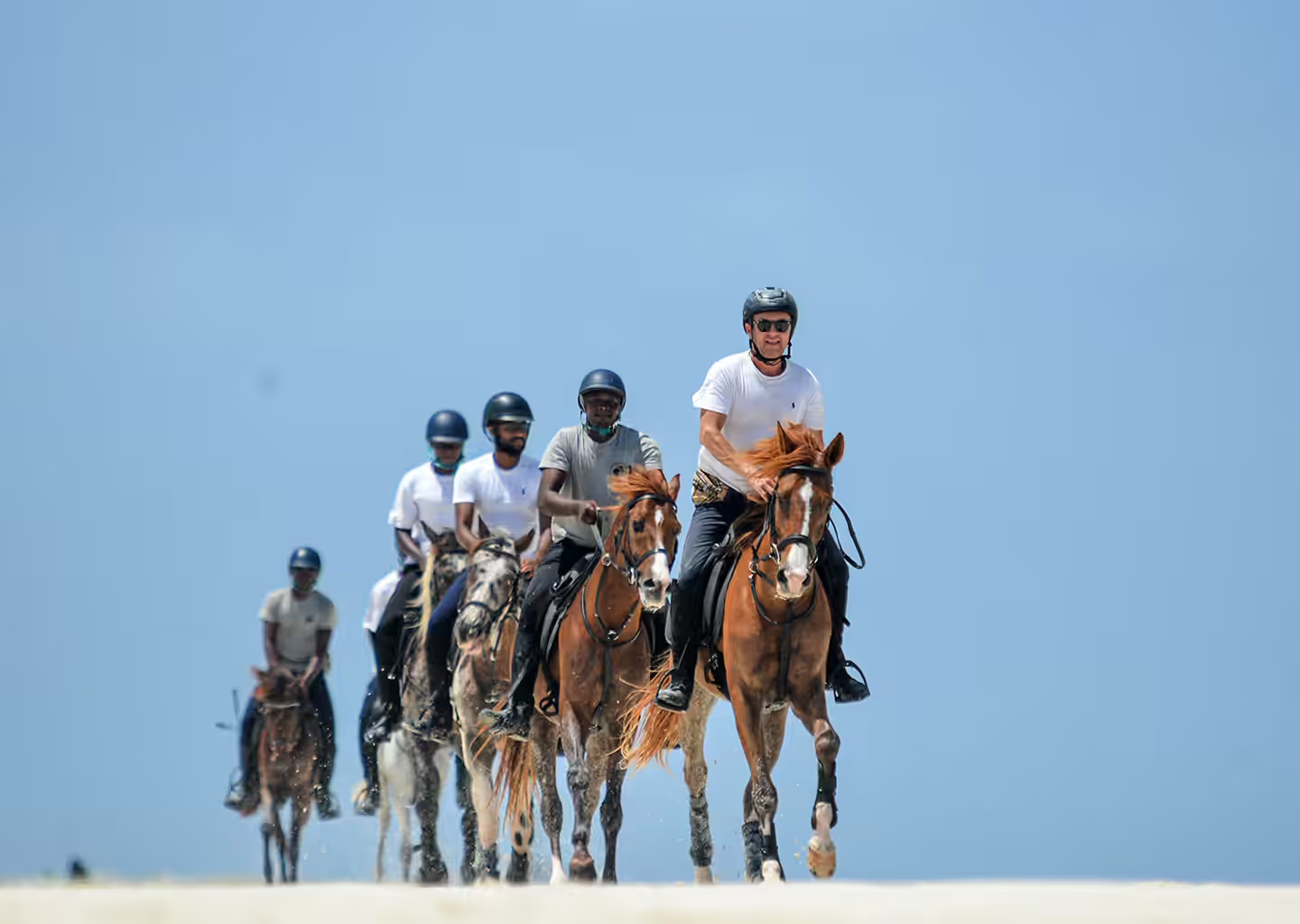
Horse riding and camel trekking
represent two of Kenya's most distinctive, exclusive, and experientially rich
alternative safari offerings — each providing a way to move through the
wilderness at a pace, proximity, and depth of immersion that no motorised
vehicle can approach. Kenya's horse-riding safari tradition is among the oldest
and most prestigious in Africa, with the Laikipia Plateau, Chyulu Hills, and
Lewa Conservancy home to some of the continent's finest equestrian operations.
Riding through the African bush on horseback fundamentally changes the
relationship between safari-goer and wildlife — horses are accepted by most
plains game as non-threatening, allowing riders to approach herds of zebra,
giraffe, wildebeest, and even elephant at remarkably close range that would be
impossible on foot or in a vehicle. Multi-day riding safaris — sleeping in
luxurious fly camps in remote wilderness — represent the pinnacle of Kenya's
adventure safari offering, combining the freedom of wilderness travel with exceptional
hospitality, world-class horses, and landscapes of breathtaking scale and
beauty. Camel trekking — offered most authentically in Laikipia and Samburu —
is an equally transformative experience, moving through Kenya's semi-arid
northern wilderness at the ancient, unhurried pace of a camel caravan,
accompanied by Samburu herders whose knowledge of the land is generational and
profound. Overnight camel expeditions, sleeping on camp beds under unpolluted
stars, represent one of East Africa's most extraordinary and least replicated
travel experiences.
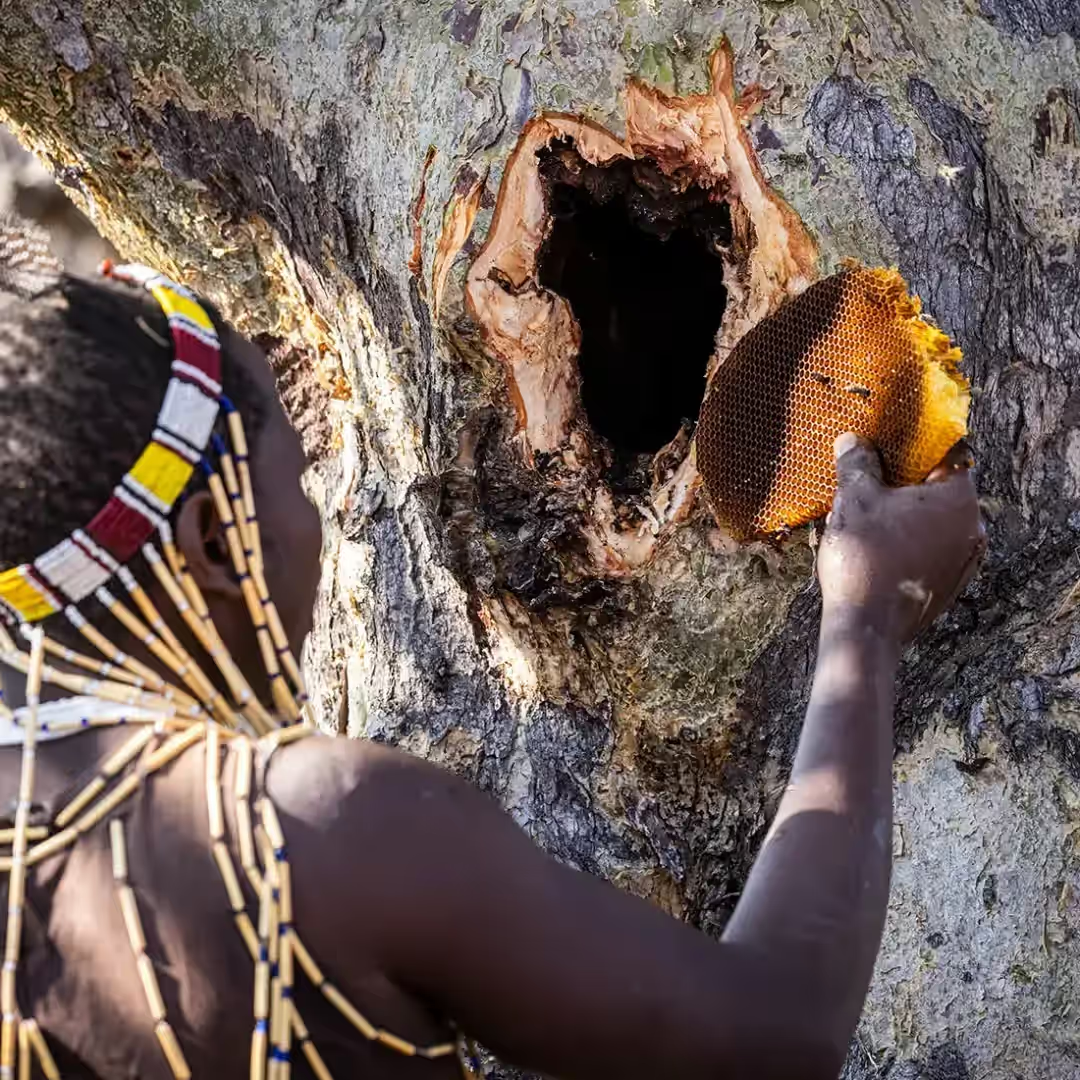
Hadzabe & Datoga Cultural Visit
The Hadzabe Experience: Your day begins at dawn with the Hadzabe, one of the last true hunter-gatherer tribes on Earth.
The Datoga Experience: After spending time with the Hadzabe, you will visit the Datoga, a proud pastoralist and blacksmithing community.
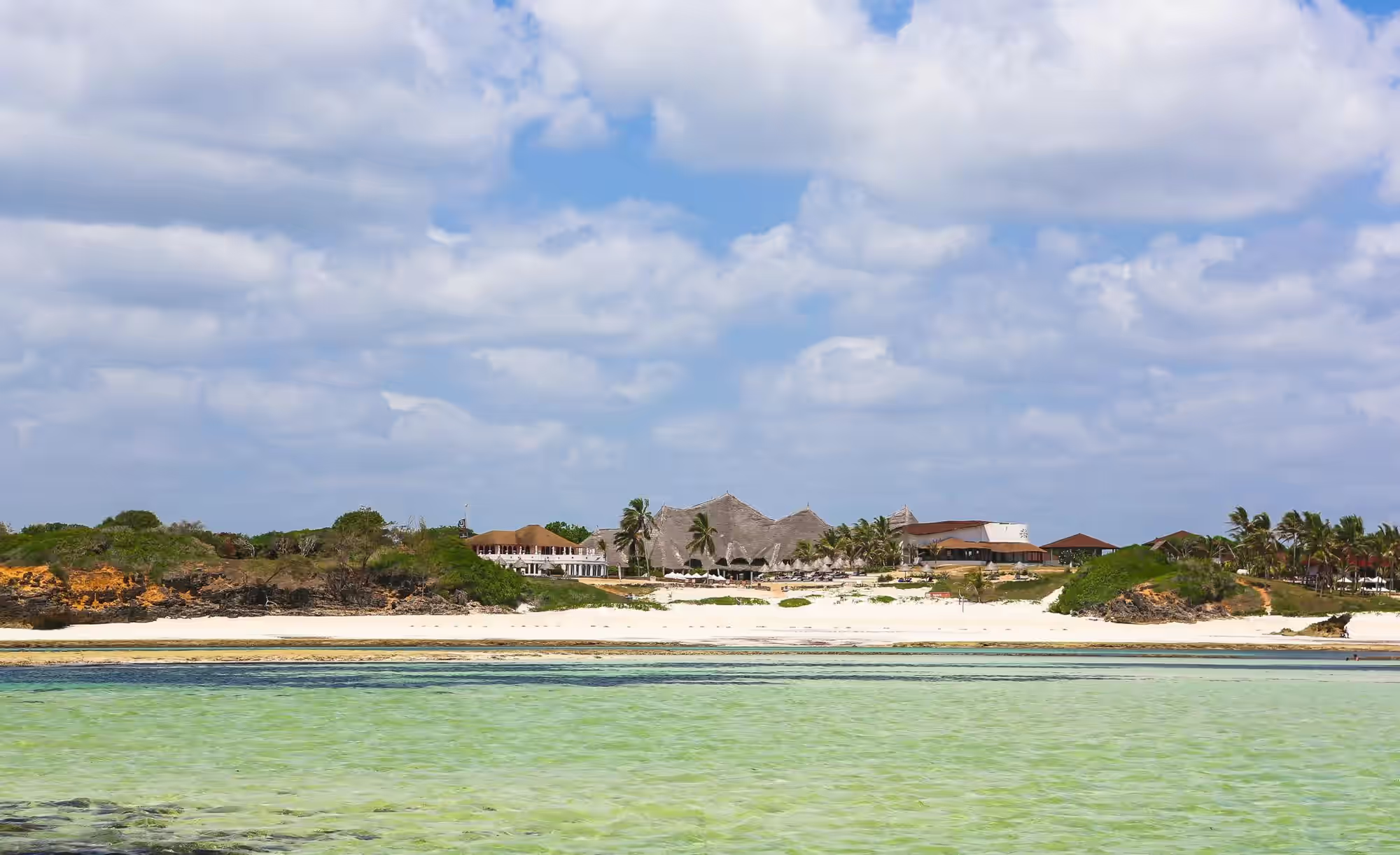
Beach Holiday on the Kenyan Coast
Kenya's Indian Ocean coastline
is one of Africa's finest and most diverse coastal tourism destinations,
stretching over 480 kilometres from the Somali border in the north to the
Tanzanian border in the south, and encompassing a remarkable variety of beach
environments, marine ecosystems, historic Swahili towns, and luxury resort
experiences. The coast is characterised by wide, white coral sand beaches
lapped by warm, turquoise Indian Ocean water year-round — ocean temperatures
average 26–28°C, making swimming and water activities consistently pleasurable
throughout the year. The Kenyan coast is defined by two distinct characters:
the south coast — centred on Diani Beach, consistently awarded Africa's Leading
Beach Destination by the World Travel Awards — which combines long, sheltered
beaches with luxury resort infrastructure and excellent marine park access; and
the north coast around Watamu and Malindi, offering more low-key, characterful
resorts alongside the extraordinary Arabuko Sokoke Forest Reserve and the
ancient ruins of Gedi. Further north, the UNESCO World Heritage island of Lamu
offers an entirely different experience — a living medieval Swahili city
accessible only by boat, where time moves at the pace of a donkey cart and nine
centuries of Islamic coastal civilisation are preserved in intricate carved
doorways, coral-stone architecture, and the call to prayer echoing across a
labyrinthine old town. The Kenyan coast is the perfect complement to an
upcountry wildlife safari — typically 3–5 nights added at the end of a bush
itinerary — providing rest, warm water, and cultural immersion.
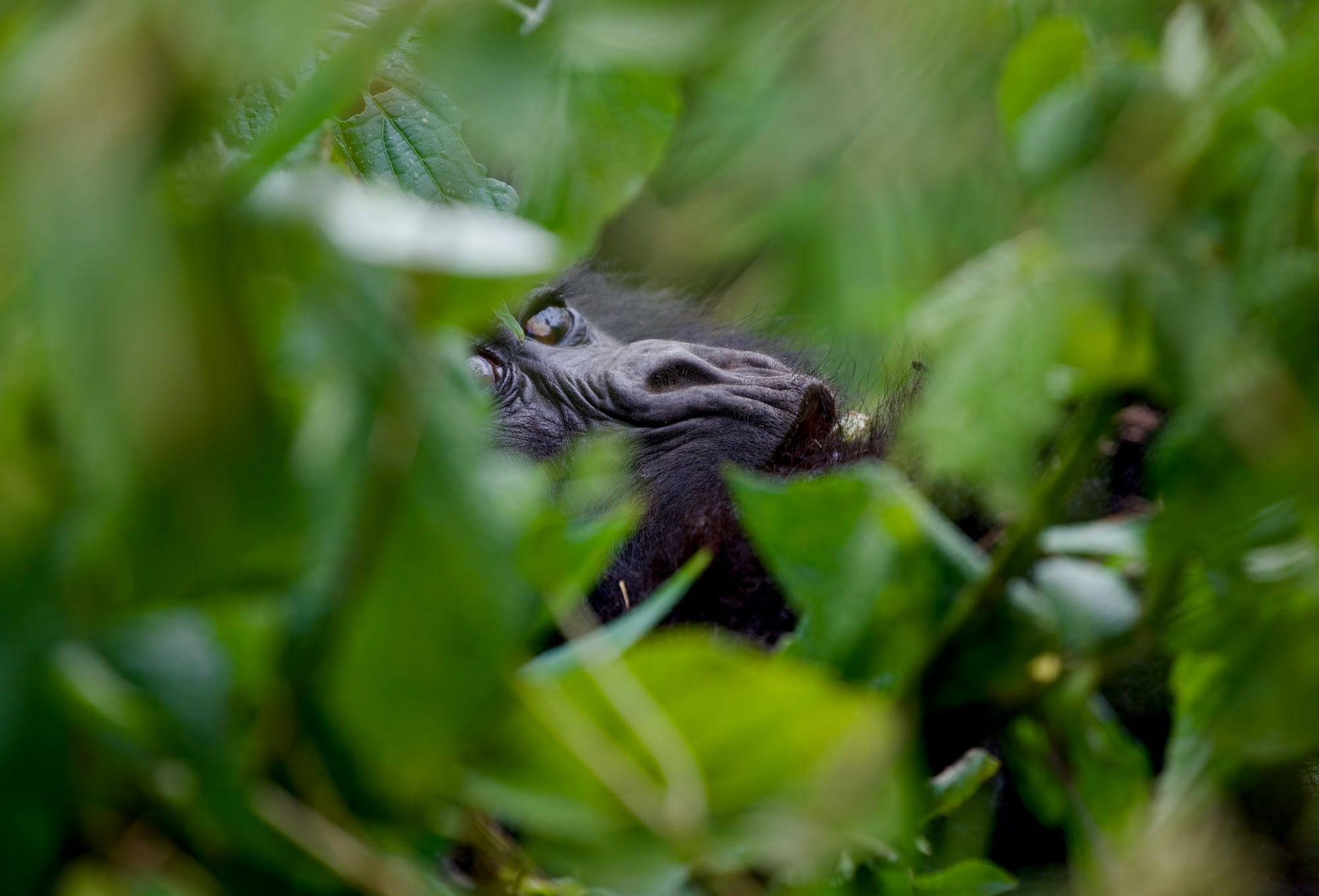
Mountain Gorilla Trekking
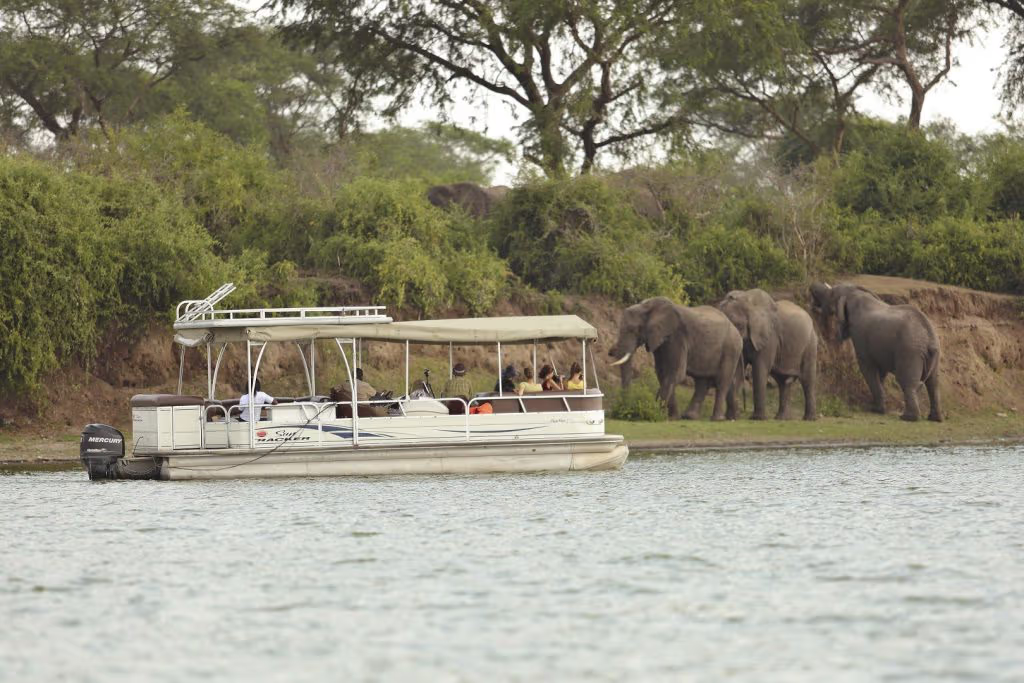
Kazinga Channel Boat Cruise
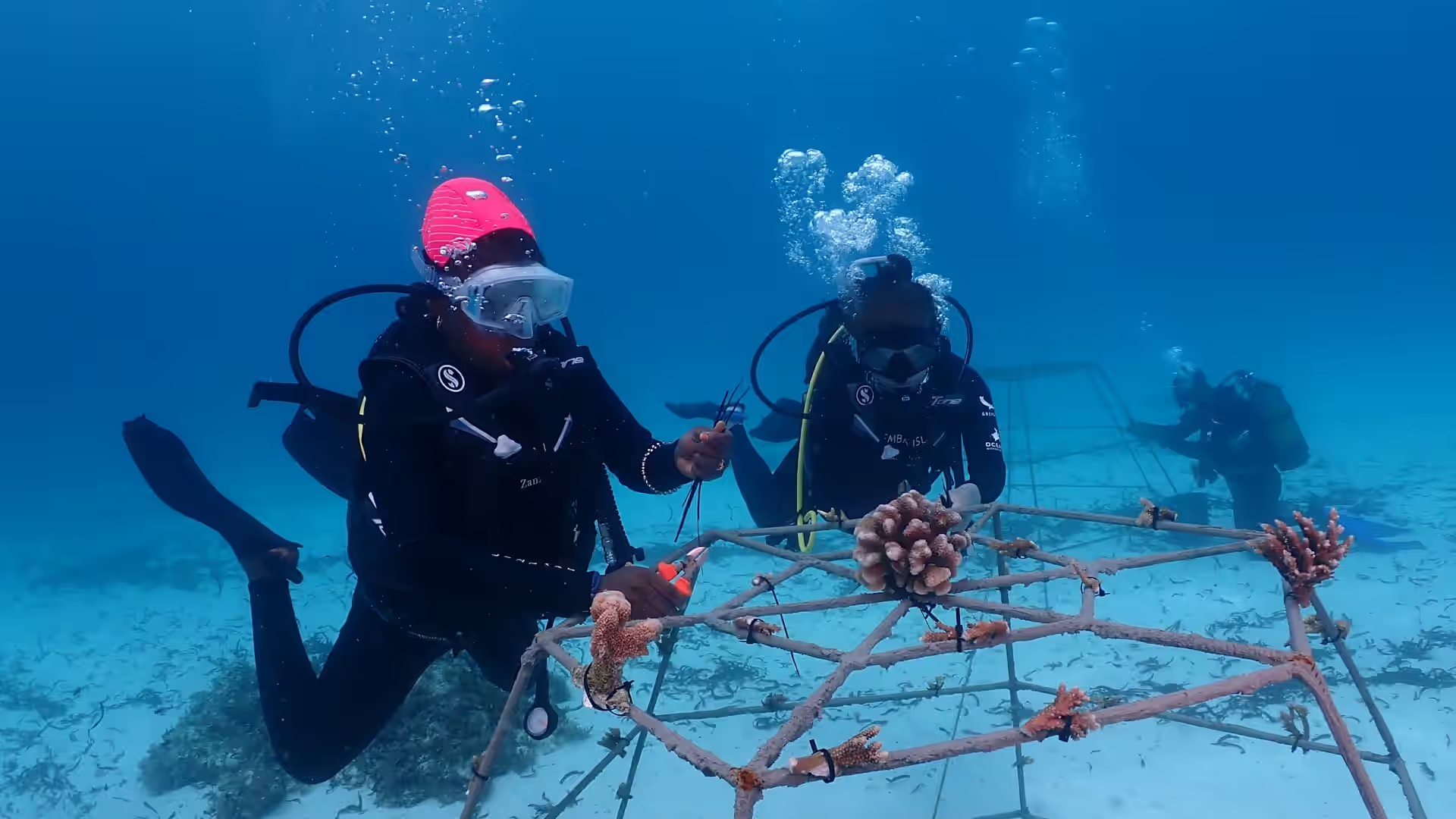
Mnemba Snorkeling – Private Boat Tour
Your journey begins at Muyuni Beach or Nungwi, where you’ll board a traditional Zanzibari wooden dhow or a specialized fiberglass boat. On a private tour, the itinerary is flexible, allowing you to depart early to beat the main tourist rush.
The first stop is typically the "Dolphin Point," where wild bottlenose dolphins are frequently spotted. If they are in a playful mood, you may have the chance to swim near them (at a respectful distance). From there, you'll head to the Mnemba Reef, a shallow coral garden teeming with tropical fish like Moorish idols, blue-spotted rays, and green sea turtles. Between snorkeling sessions, your crew will set up a private lunch on the boat or a nearby sandbank (tide permitting), featuring fresh tropical fruits and often a seafood BBQ.
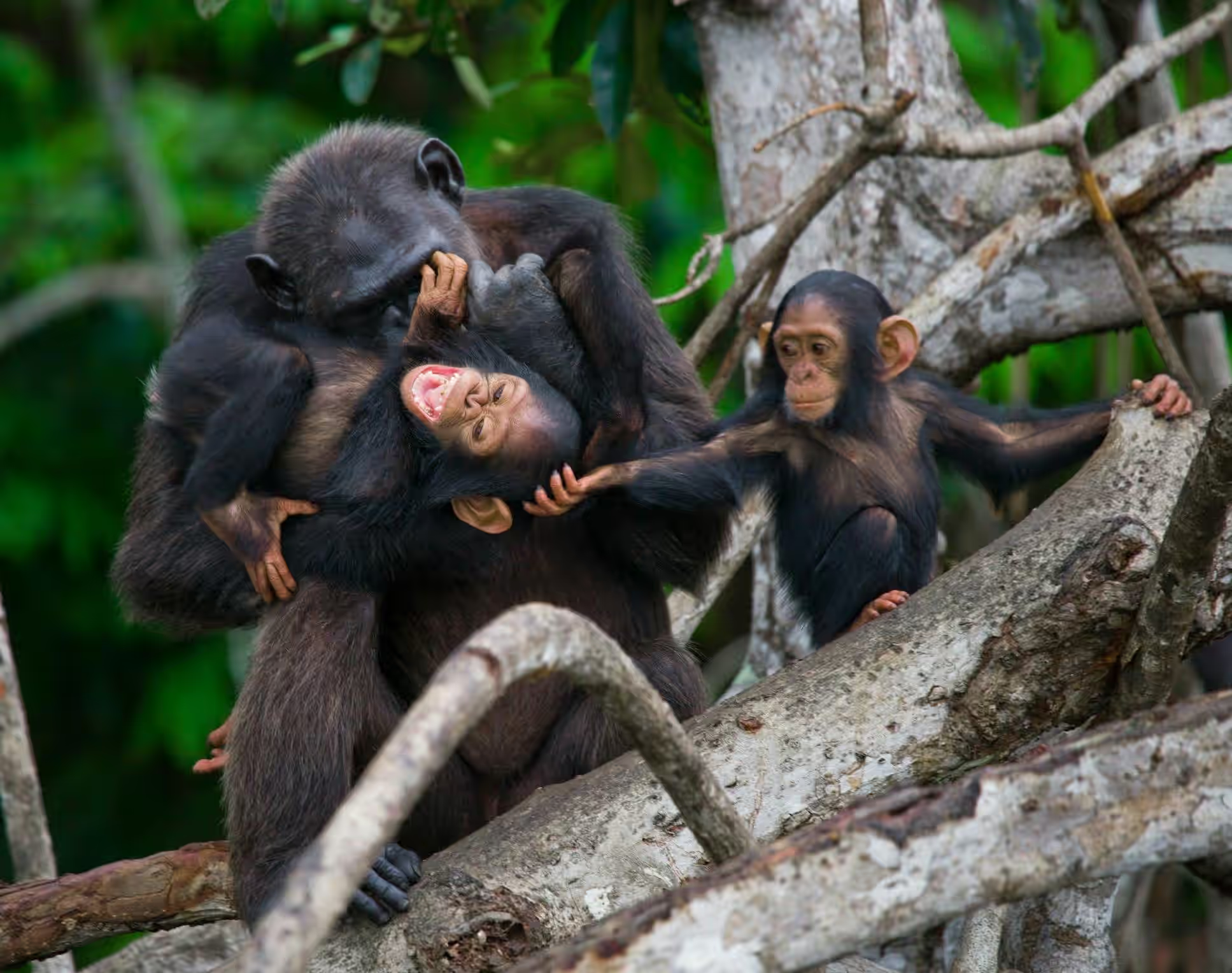
Chimpanzee Tracking (Kibale National Park)
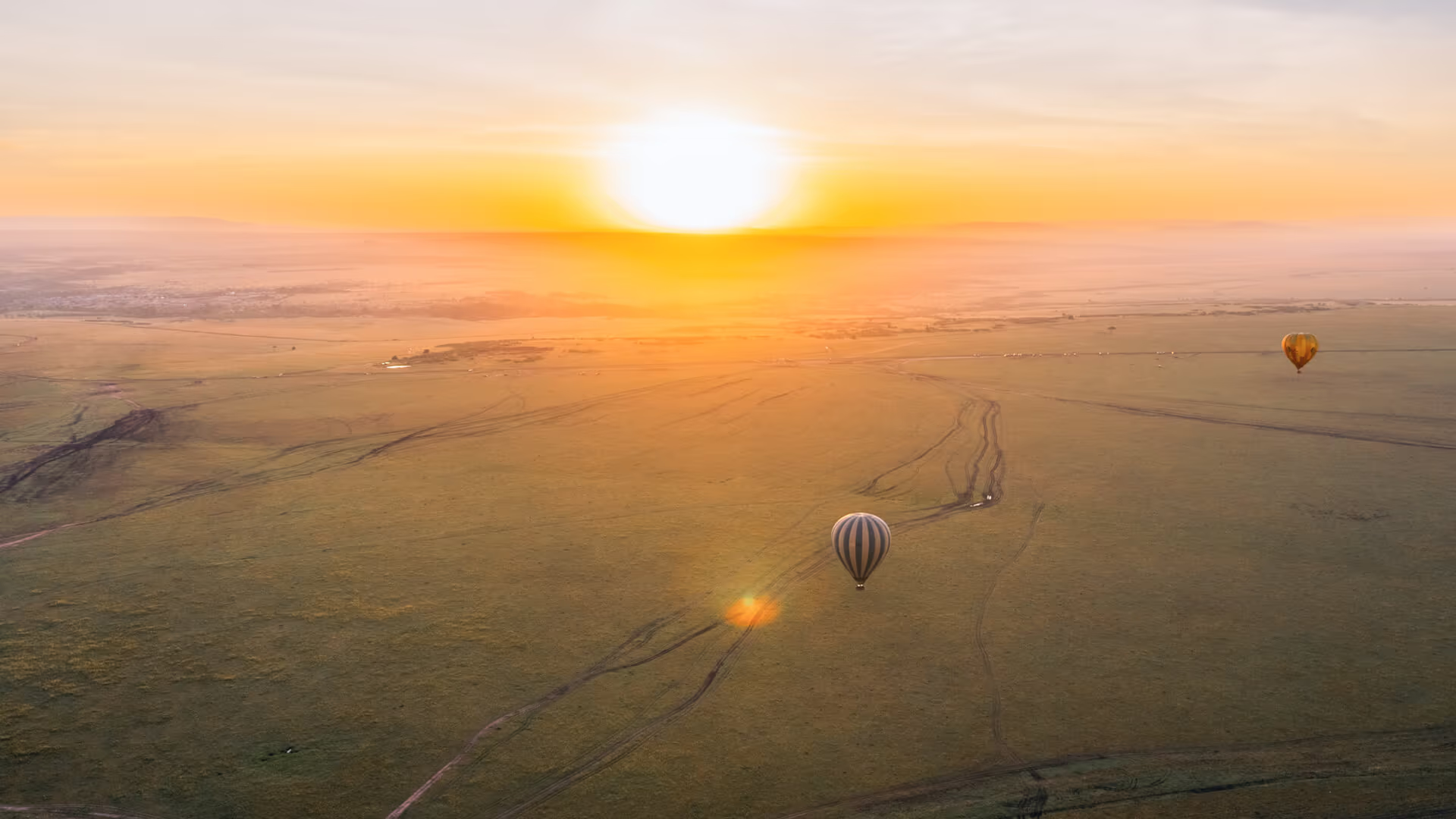
Hot Air Balloon Safari Masai Mara
A hot air balloon safari is
widely regarded as one of the most extraordinary and romantic wildlife
experiences available anywhere in Africa — a seamless fusion of gentle
adventure, aerial wonder, and intimate wildlife observation that transforms the
Kenyan savannah into a living tapestry of colour, movement, and light. Flights
depart before first light, typically around 05:30–06:00, when passengers gather
at the launch site and watch the enormous balloon inflate in the pre-dawn
darkness. As the sun breaks the horizon, the balloon lifts silently and
majestically over the plains, drifting with the wind at heights ranging from
tree-canopy level to several hundred metres. Expert pilots — licensed to Civil
Aviation Authority of Kenya standards — control altitude with extraordinary
precision, descending close to elephant herds, hippo pools, giraffe, and lion
while passengers watch in hushed awe from the suspended basket. The perspective
from above transforms familiar landscapes into something revelatory: the sinuous
bends of the Mara River, the geometric patterns of wildebeest herds moving
across the plains, and the golden light of an African sunrise painting the
savannah in extraordinary colour. After approximately 60–90 minutes aloft, the
balloon descends to a pre-arranged landing site where a fully equipped bush
breakfast awaits — crisp white linen, sterling silver, champagne, and freshly
prepared food served in the middle of the open savannah — an experience of
theatrical luxury that has few equivalents anywhere in the world.
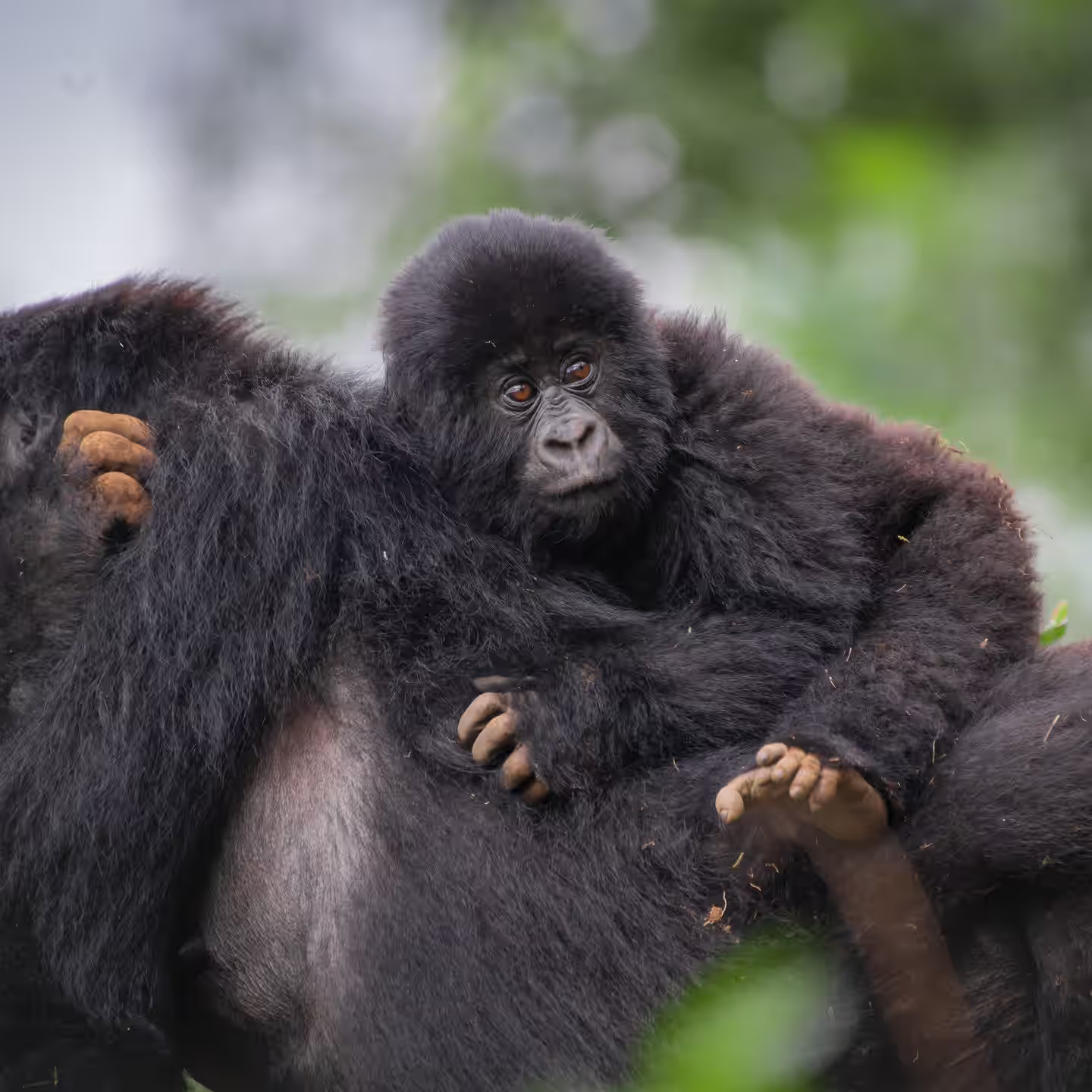
Gorilla Habituation Experience (GHE)
The Gorilla Habituation Experience is a unique, semi-participatory conservation activity that allows visitors to play a role in the process of making wild gorillas comfortable with human presence.
You will accompany a team of specialized researchers, trackers, and rangers into the forest.
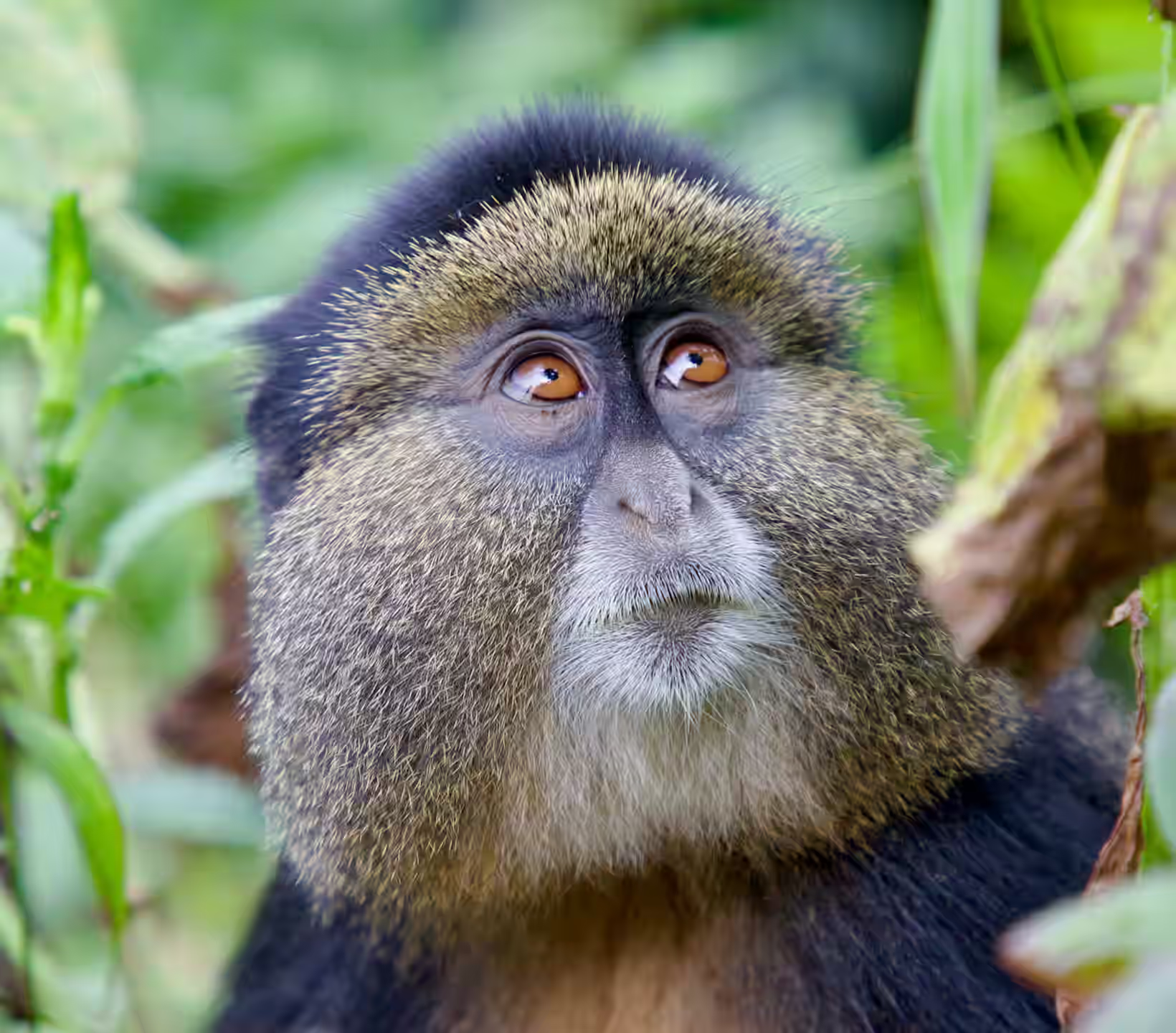
Golden Monkey Tracking
Golden Monkey Tracking in Volcanoes National Park offers a
vibrant and more accessible alternative to gorilla trekking. The golden monkey
(Cercopithecus kandti) is an endangered species found only in the Albertine
Rift, distinguished by its stunning golden-orange fur and playful demeanor.
Habituation has made these lively primates comfortable around humans, allowing
for close, relaxed observation as they leap through bamboo forests, forage, and
play. The trek is generally shorter and less strenuous than gorilla trekking,
often lasting 2–4 hours depending on the troop's location. Visitors are
accompanied by expert trackers and guides who provide fascinating insights into
the monkeys' behavior, diet, and conservation status. The experience is ideal
for families, photographers, and nature enthusiasts seeking a genuine primate
encounter that is both affordable and deeply rewarding. Golden monkey tracking
directly supports Rwanda's broader conservation mission in the Virunga
landscape.
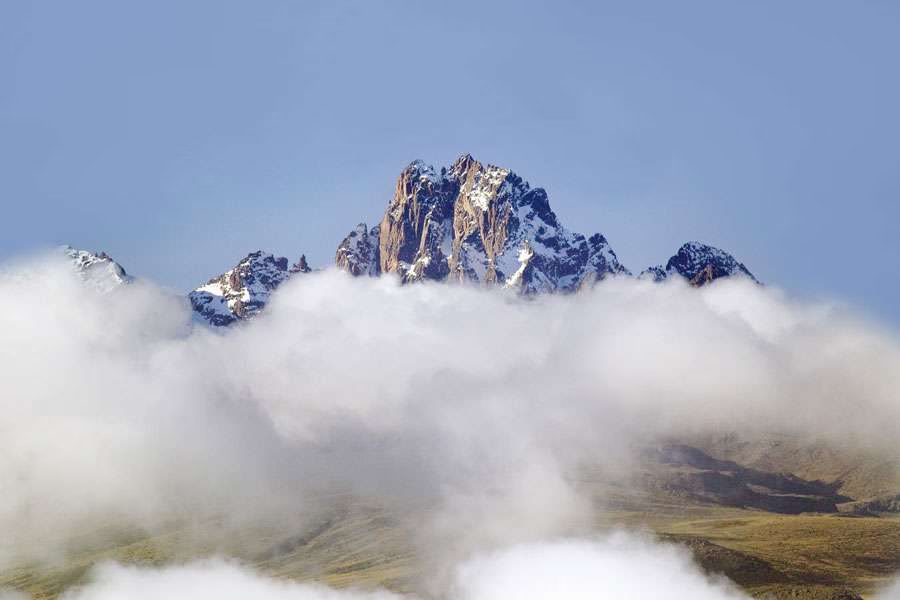
Mountain Trekking — Mount Kenya
Trekking Mount Kenya is one of
East Africa's most rewarding and multi-dimensional outdoor adventures — a
journey through five distinct ecological zones, from dense montane forest alive
with wildlife through bamboo groves, heathland, extraordinary afro-alpine
moorland, and finally the glaciated summit peaks that give Kenya its name. At
5,199 metres, Mount Kenya is Africa's second-highest mountain, a UNESCO World
Heritage Site, and the sacred heartland of the Kikuyu, Meru, and Embu peoples.
Three main trekking routes offer contrasting approaches: the Sirimon route on
the northwest is the most gradual and recommended for acclimatisation; the Naro
Moru route on the west is the most direct but steepest; and the Chogoria route
on the east is universally considered the most scenically breathtaking,
descending through the spectacular Hall Tarns and the giant lobelias of the
upper moorland. Point Lenana at 4,985 metres — reached on the third or fourth
day of a standard trek — is the highest non-technical summit and is accessible
to any fit, determined trekker with proper acclimatisation. The pre-dawn summit
push for sunrise views over the surrounding plains is a moment of intense
personal achievement. The technical peaks of Batian (5,199m) and Nelion
(5,188m) require multi-pitch rock and ice climbing skills and attract serious
mountaineers from around the world, offering some of the continent's finest
alpine routes.
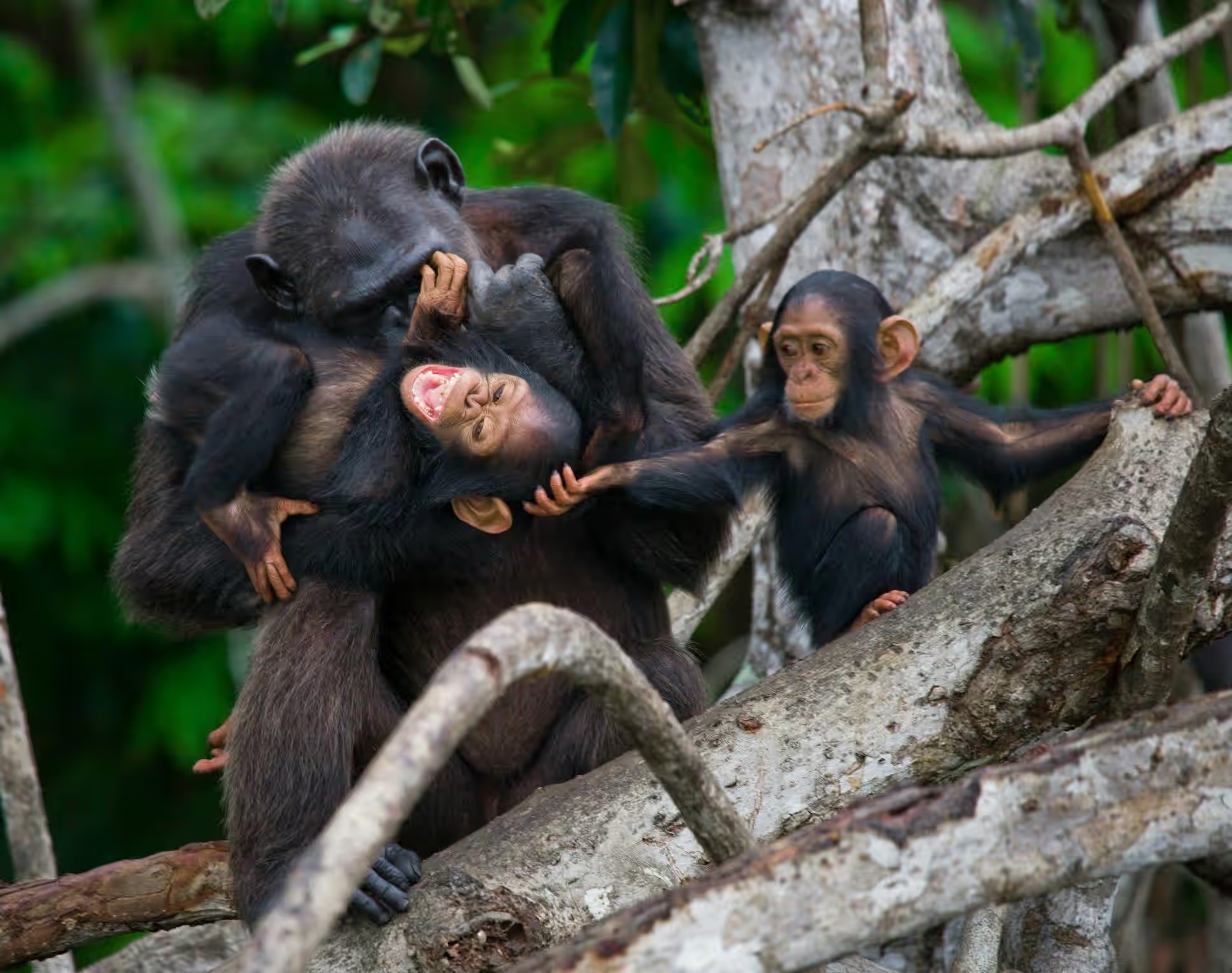
Chimpanzee Habituation Experience (CHEX)
The Chimpanzee Habituation Experience (CHEX) is an immersive, all-day conservation program in Kibale National Park.
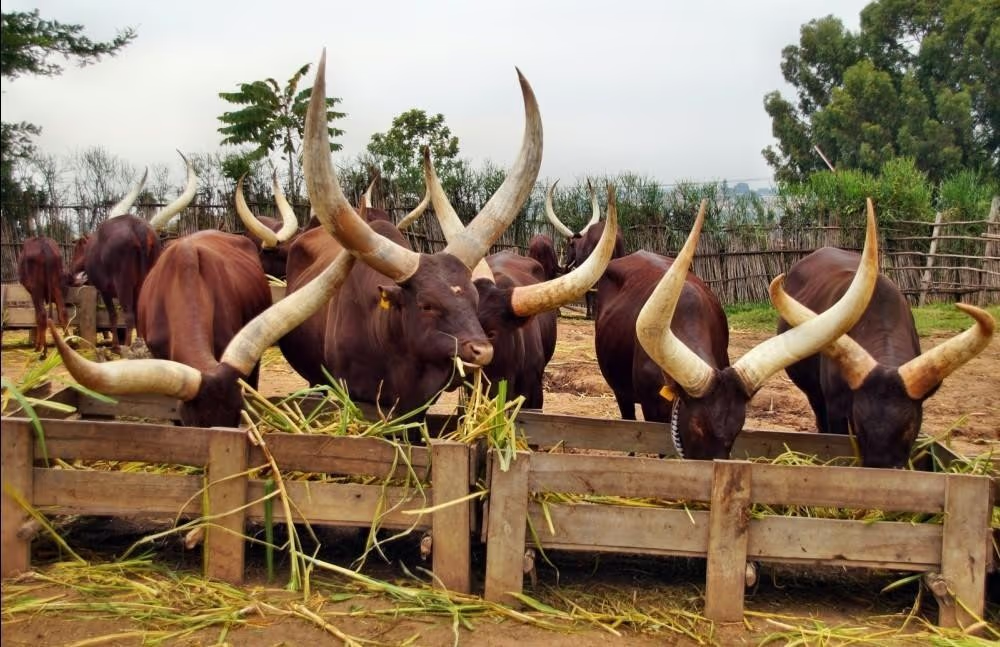
Iby'iwacu Cultural Village Experience
The Iby'iwacu Cultural Village Experience in Musanze offers an
authentic and joyful immersion into traditional Rwandan culture, set at the
edge of Volcanoes National Park. Originally established as a community
initiative to provide alternative livelihoods for former poachers and their
families, Iby'iwacu has evolved into one of Rwanda's most celebrated cultural
tourism projects. Visitors are welcomed with traditional songs and dances, and
are invited to participate in a range of cultural activities including
traditional archery, banana beer brewing, medicine-man demonstrations,
storytelling sessions, and learning about the domestic life of past Rwandan
royalty. Local artisans demonstrate traditional crafts such as basket weaving
and pottery. The village experience provides a vivid contrast to the wildlife
activities of the Volcanoes area and offers meaningful insight into the
customs, values, and daily life of the Rwandan people. All proceeds go directly
to the participating families and the broader community conservation fund. A
visit to Iby'iwacu is often the cultural highlight of a northern Rwanda
itinerary — warm, educational, and deeply engaging.
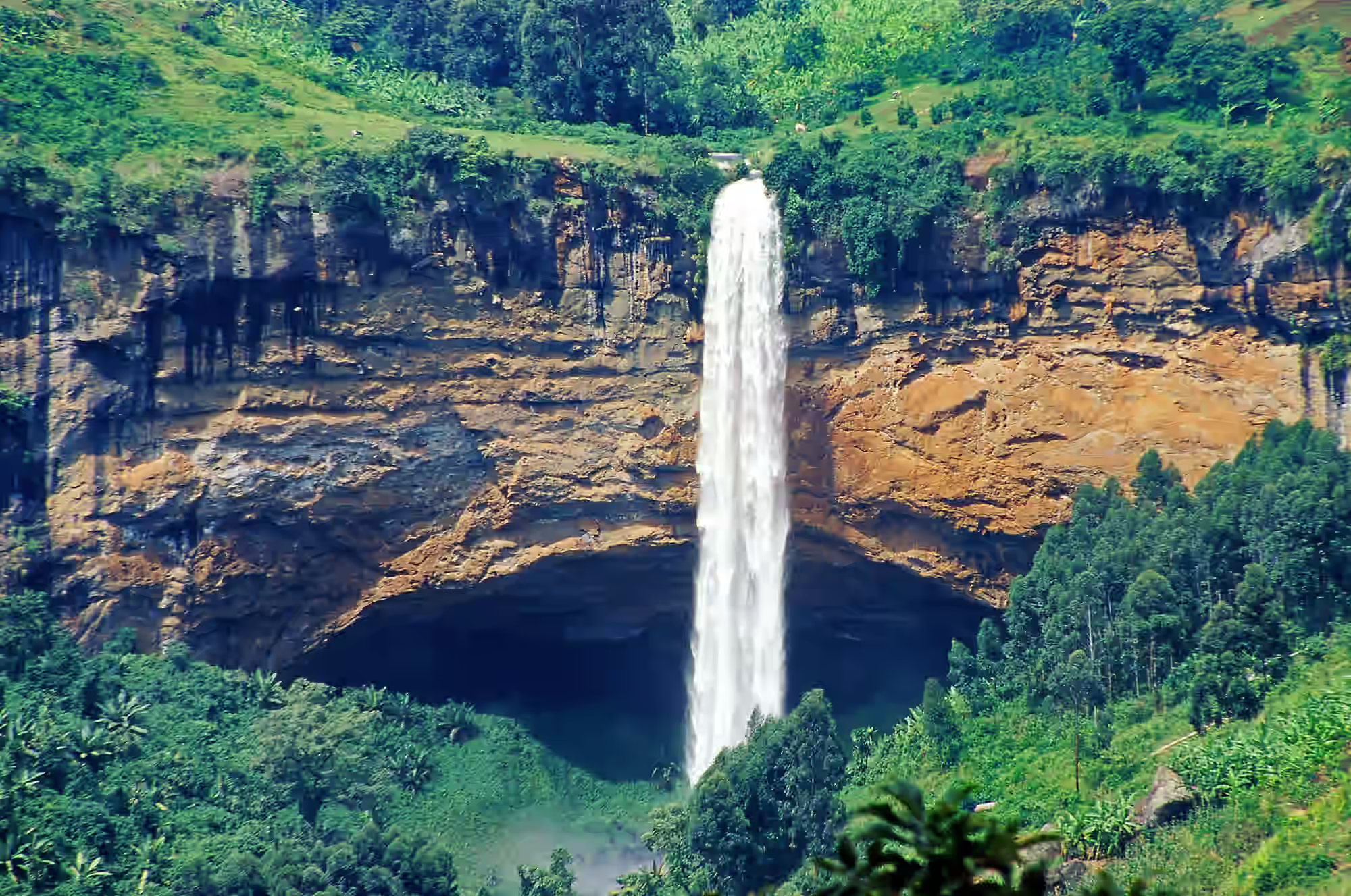
Sipi Falls Guided Hike
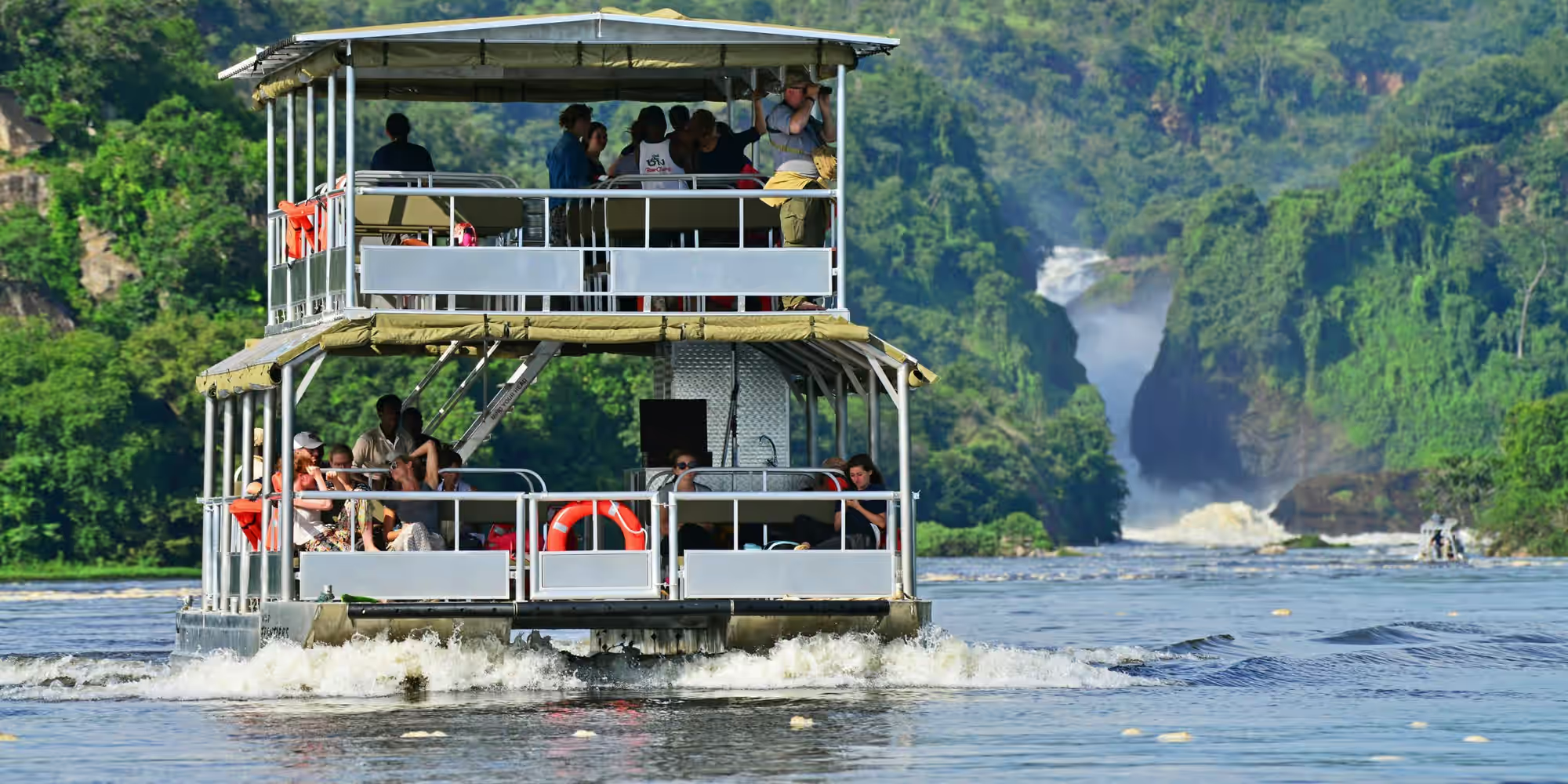
Murchison Falls Boat Cruise
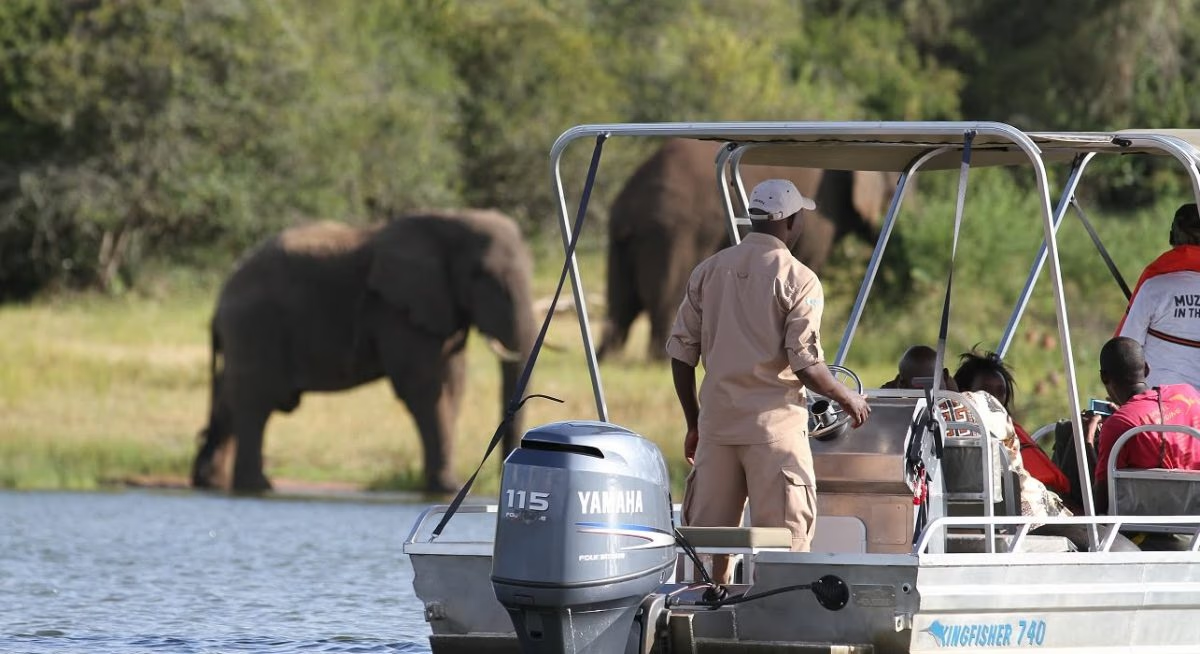
Akagera Boat Cruise on Lake Ihema
The Akagera Boat Cruise on Lake Ihema is one of Rwanda's most
tranquil and rewarding wildlife experiences, combining spectacular
birdwatching, hippo and crocodile encounters, and stunning lake scenery in one
relaxing excursion. Lake Ihema is the largest lake in Akagera National Park and
one of the most wildlife-rich bodies of water in the region. From the comfort
of a guided motorboat, participants drift along the shoreline and through reed
channels spotting massive pods of hippos wallowing in the shallows, Nile
crocodiles sunning on banks, African fish eagles, open-billed storks,
shoe-billed storks (rare sighting), pied kingfishers, herons, and dozens of
other bird species. The late afternoon cruise offers spectacular golden-hour
photography lighting over the water. The boat ride typically lasts 2–3 hours
and can accommodate small to medium-sized groups. It pairs beautifully with a
morning game drive for a comprehensive Akagera day experience.